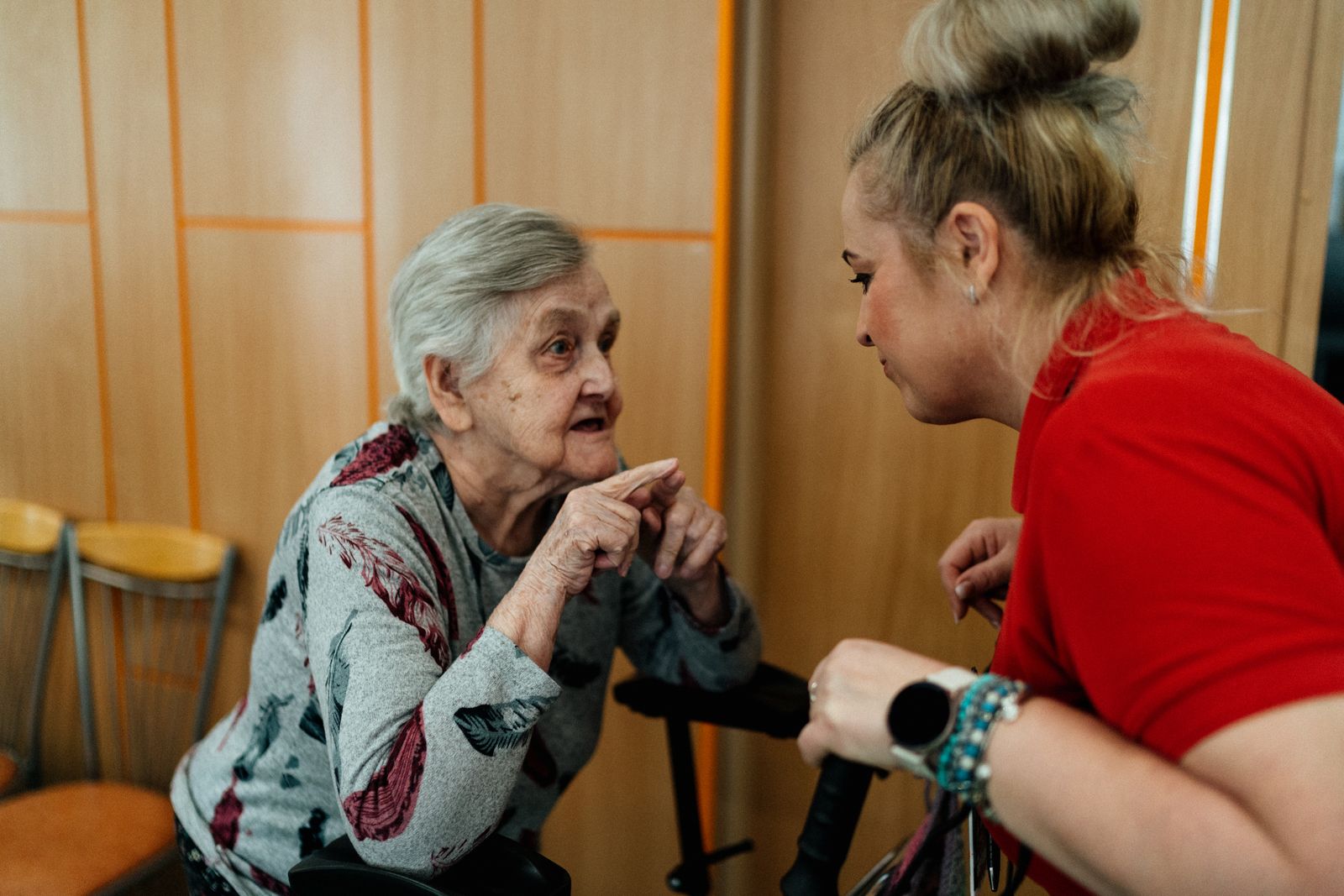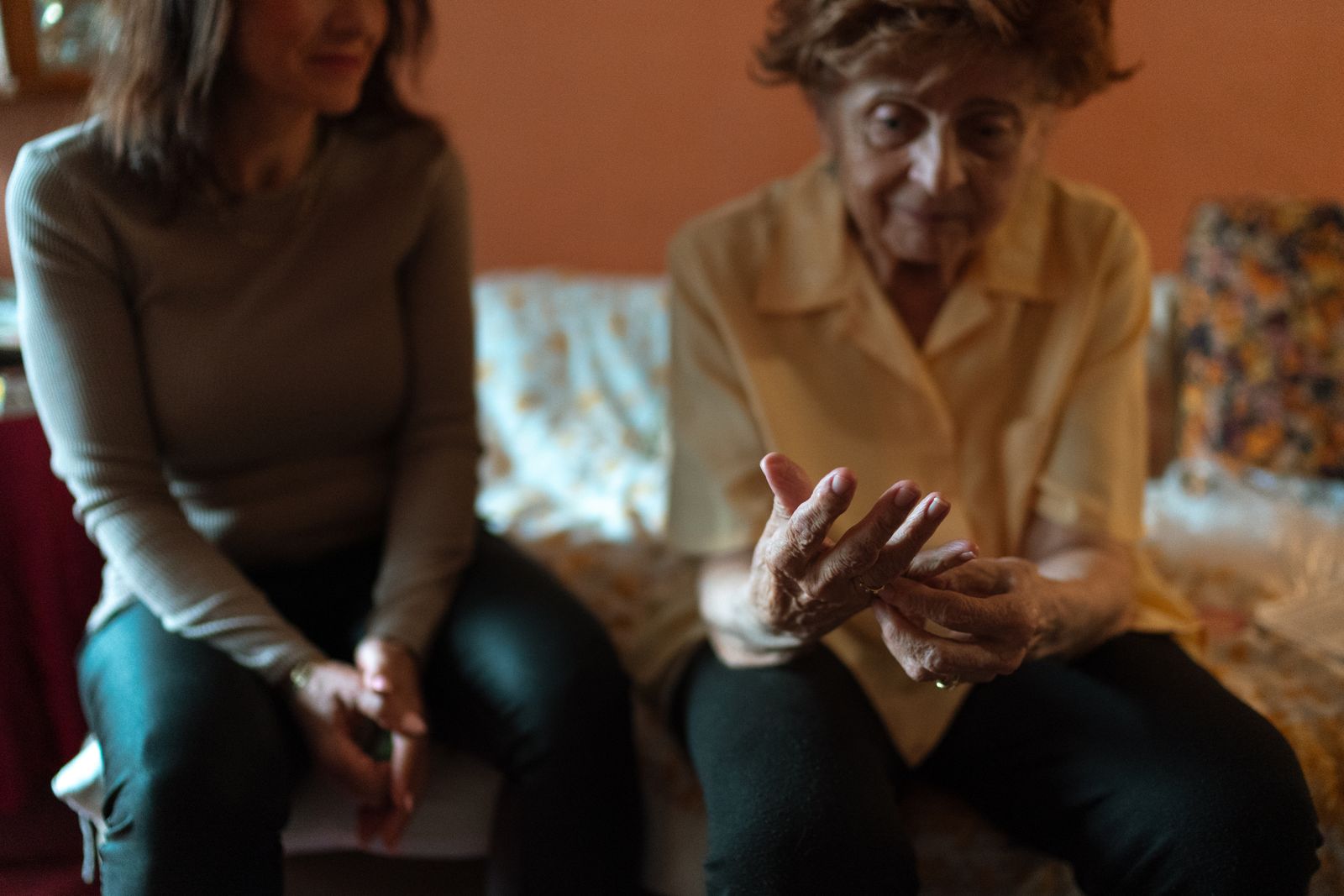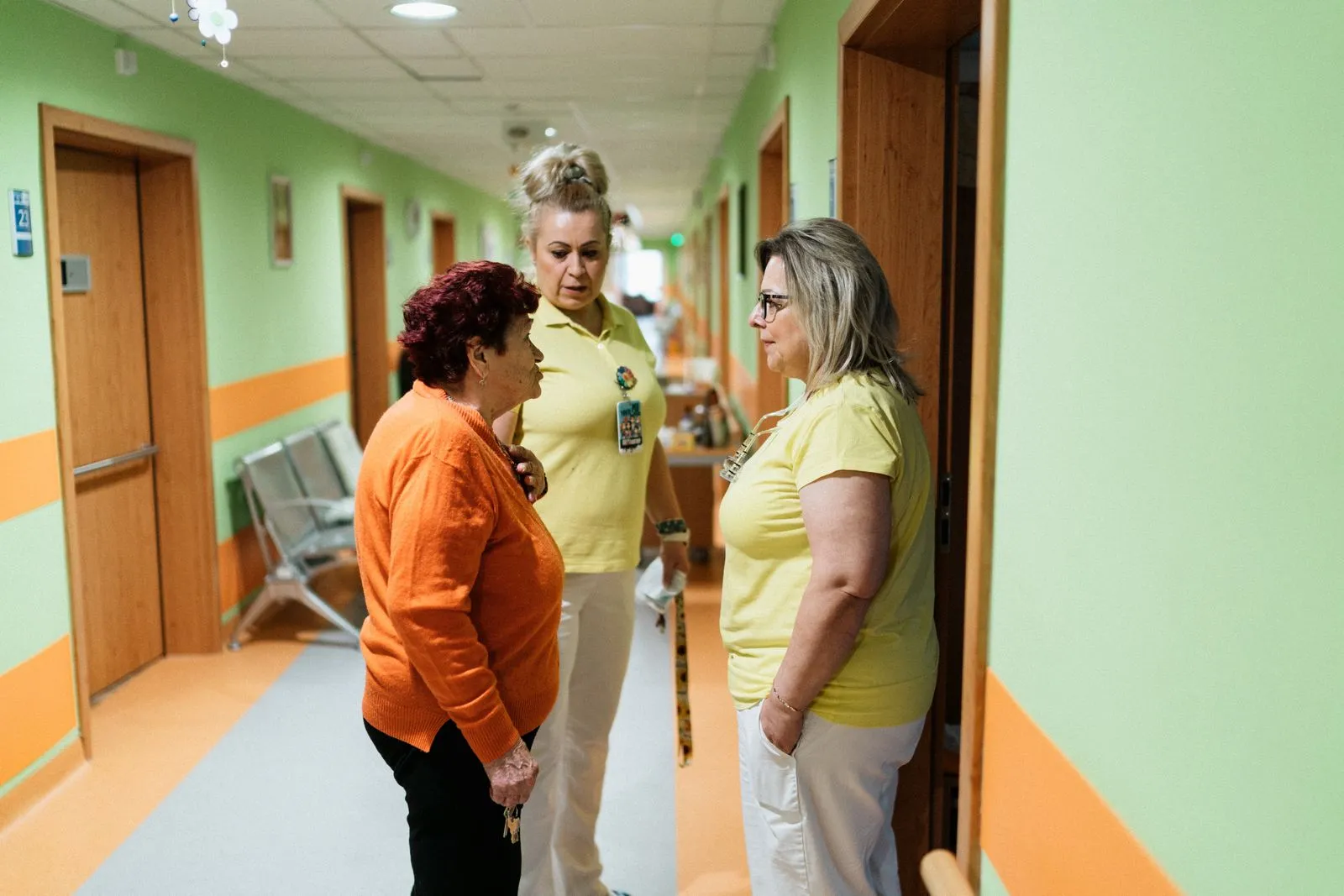
You can measure a care team on paper, its ratios, its qualifications, its compliance scores, and still not know whether it is any good. The things that make a care team truly strong are mostly about character and culture, and they are exactly what a CV cannot show. If you are hiring into a care setting, these are the traits worth holding out for, because they are what residents and families actually feel.
Kindness that survives a bad day
Anyone can be kind when they are fresh and the shift is calm. The trait that matters is kindness that holds up at hour eleven, when they are tired and someone is being difficult. That is rare, and it is the most important thing to screen for, because you cannot train it into someone who does not have it.
Reliability you can count on
In care, someone not turning up is not an inconvenience, it is a safety issue. The strongest teams are built on people who show up, on time, ready, consistently. It sounds basic. Yet it is one of the biggest differences between a service that runs well and one that is always scrambling.
Patience by default
The work asks people to explain the same thing gently for the tenth time, to move at someone else's pace, to stay calm through distress. It is not a nice extra here, it is core to the job. Watch in an interview for people who talk about difficult residents with warmth rather than irritation.
Quietly observant
The best care staff are quietly observant. They clock the resident who is off their food, the one who seems low, the small change that matters. That attentiveness prevents problems, and it comes from people who are present and engaged rather than just getting through the shift.
They protect dignity instinctively
Strong carers preserve a person's dignity without being told to, in how they speak, how they help, how they knock before entering. It is instinctive in the good ones and absent in the wrong ones, and residents feel the difference immediately even when they cannot always say so.
They pull together
Care is a team effort, and the strong teams have people who help each other without being asked, cover cheerfully when they can, and do not create drama on an already stretched unit. One selfish or difficult person can sour a whole team, so how someone works with others matters as much as how they work with residents.
They are honest when it matters
A carer who owns up to a mistake, or flags a concern about a colleague or a resident, is protecting the people in your care. The teams you can trust are open ones, where raising a worry is normal rather than risky. That honesty is a cultural trait worth hiring and protecting.
They fit the team you already have
And underneath everything, the strongest hire is the one who slots into your existing team and lifts it, not the most impressive individual who grates against everyone. Care teams are tight-knit by necessity, so fit is not a soft consideration, it is central to whether the whole unit works.
Every one of these is a human quality that a qualification check and a rushed interview will miss, which is exactly why we screen for values and character before anyone reaches your shortlist. Our piece on the traits of high-performing care teams covers the operational side. When you want people screened for who they really are, here is how we work, or book a call.