A recruiter I know spent Tuesday afternoon on the phone with a plant manager who wasn't hiring for anything yet, and still wanted to talk about headcount.
He runs a manufacturing site in the North West, not Astemo's, for what it's worth. But the news out of Bolton this week had him rattled anyway. Two new production lines, a hundred million pounds of investment, and a start date that's still the best part of two years off. Plenty of time, on paper.
Astemo is the automotive components firm putting that £100m into its Bolton site. And the plan is exactly what you'd expect from a business chasing the electric vehicle transition.
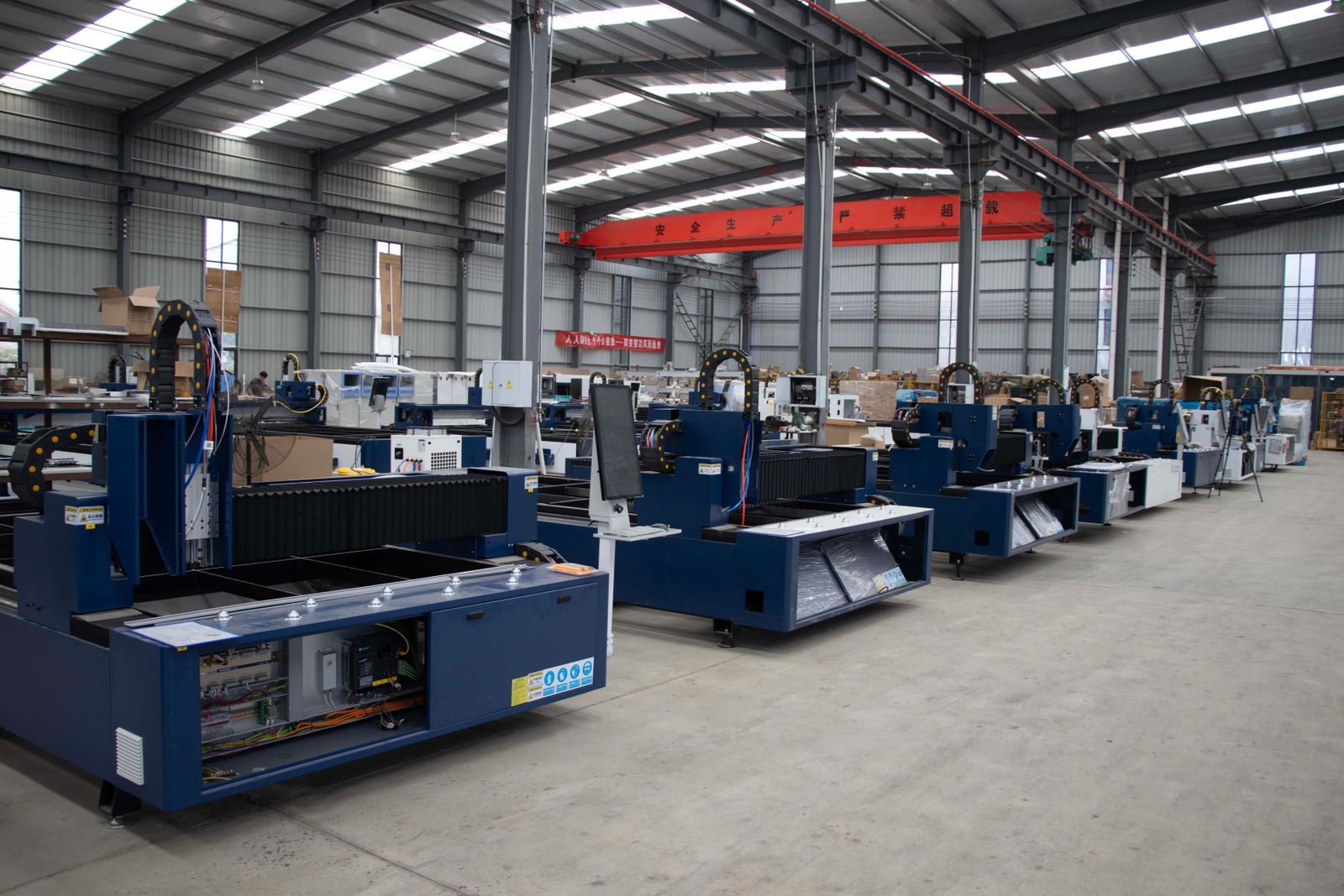
As The Manufacturer reported this week, the site will get two new inverter production lines, one for full assembly and one running surface mount technology, sitting inside a cleanroom big enough to cover roughly 60% of the shop floor. Start of production is pencilled in for April 2027. But the harder number in the piece isn't the machinery. It's the people.
Astemo's UK managing director called it good news for the business and the wider North West region, and it's hard to argue with him on the regional point.
Why does a £100m factory upgrade turn into a hiring problem?
Because the money arrives long before the people who can actually run the new line do. Astemo says the Bolton project will create 125 new jobs and protect another 100, with more than 20 already filled. And the roles going first are automation, engineering and quality, exactly the layer that takes the longest to recruit properly.
Government money is doing some of the lifting too, through the Automotive Transformation Fund and the DRIVE35 programme, both aimed squarely at electrification retooling like this.
April 2027 sounds a long way off in July. It isn't. In my experience, recruiting a properly capable quality manager or automation lead for a first-of-its-kind cleanroom line runs to something like six months once you count notice periods, well before the shortlist stage even starts.
That's the bit that gets missed.
The Jobs Nobody's Advertising Yet
Twenty roles filled already sounds like decent progress, and in one sense it is. But most of it is graduate placements and apprenticeships, which Astemo has clearly invested in properly. Good for the pipeline. Terrible for April 2027, when someone senior needs to already know how a cleanroom assembly line for EV inverters actually runs.
I've watched this pattern play out with a fair few of our own engineering clients over the years. A capital project gets approved, the headlines land, the apprentices start in September, and somewhere around eighteen months later someone realises nobody has actually gone looking for the operations manager or the quality manager who's meant to be running the thing. By then you're not recruiting. You're firefighting.
It isn't only new investment that creates this gap. Plenty of our engineering clients are also looking at their existing leadership bench and realising the person who'd naturally step up to technical director in five years still needs another two years of experience nobody's had time to give them.
A capital project like Bolton just puts a hard date on a problem that was already sitting there quietly, or, more honestly, a problem most boards would rather not put a date on at all.
The mistake I see most is hiring for the CV rather than the actual job. Someone who's run three EV lines somewhere in Germany looks brilliant on paper. Whether they can manage a health and safety inspection, mentor two graduate engineers and keep a nervous board updated all in the same week is a different question entirely.
Not every strong engineer makes a strong manager of engineers. And the two get confused constantly at shortlist stage.
What happens if the management layer isn't in place when the line switches on?
Production slips, mostly. The engineers on the shop floor can normally do the work fine on their own. What's missing is someone senior enough to coordinate quality, health and safety and the automation side under one head, all at the same time. A plant that's spent £100m and two years getting ready doesn't want its go-live delayed by a hiring gap that was entirely avoidable.
Or worse, filled badly under pressure, three weeks before the machines arrive.
The Department for Business and Trade and the Advanced Propulsion Centre are both named as backers of the wider push behind projects like this one. So the appetite for EV manufacturing investment isn't going anywhere soon. Good news for the sector. Considerably less good news for anyone hoping the management hiring squeeze eases off on its own.
This is the sort of vacancy we get called about far more in engineering than in most other sectors we work in, and it's rarely a surprise when it lands.
The EV transition has meant almost every serious manufacturer we speak to is either building or retrofitting a line somewhere in the country. And the pool of engineering managers and quality managers who've actually commissioned a line like it, not just worked on one, is smaller than the investment numbers would suggest. Bolton isn't an isolated case either.
Anyone hiring into automotive, aerospace or wider advanced manufacturing right now is competing for a similar, fairly narrow pool of people who've actually delivered a line like this rather than just designed one on paper.
Wait until your investment committee signs off before you start that search, and you'll be starting it at the same time as everyone else who just got the same news. That gap, not the article headline, is the real story here. If you're weighing up engineering manager recruitment costs right now, our engineering recruitment page has a rundown.
We've also put together a broader hiring guide that covers timelines for exactly this kind of senior technical recruitment. None of this means panic and open five vacancies tomorrow.
It means factoring the management hire into the same timeline as the capital spend, not the twelve months before go-live when everyone else chasing the same skill set is doing exactly the same thing.
Astemo got two years' notice from its own investment committee. Most manufacturers making a similar call get about the same, if they choose to use it. We've placed engineering managers and quality leads into roles exactly like this before now, mostly for clients who called us the moment the investment was confirmed rather than the week before go-live. No pressure.
Just a pattern worth knowing about if you're the one signing off a project like this yourself.
Worth keeping an eye on, if nothing else.