I was halfway through a coffee when one line in the coverage of the new Nigg cable factory stopped me. Its operators are being trained in Japan, and nobody seems to be asking who will run the people.
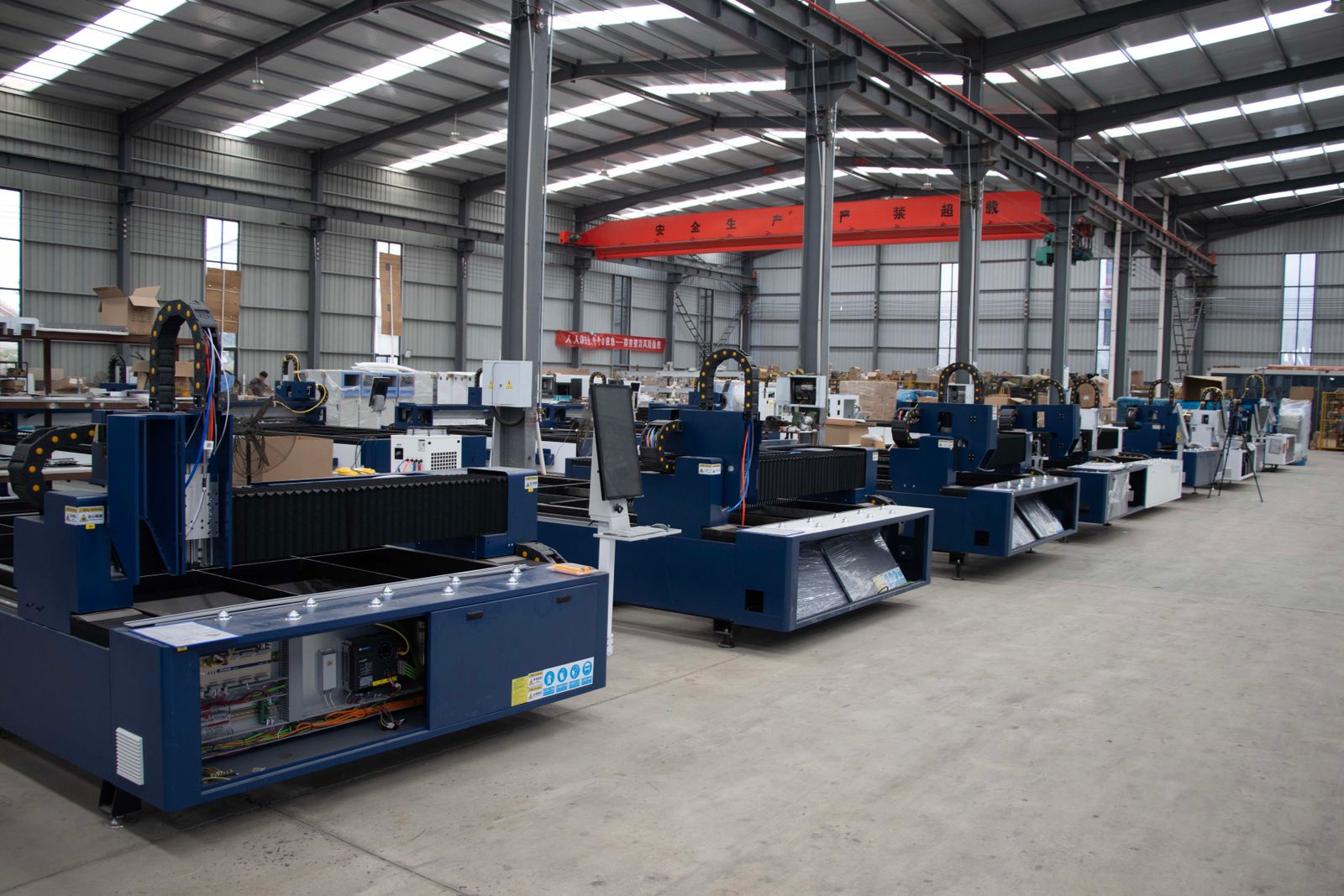
Sumitomo Electric opened its £350m plant at the Port of Nigg in the Highlands on 19th October, and Offshore Wind's report on the opening dwells, understandably, on the cables. They are 525kV direct current cables for offshore wind farms and interconnectors. The site covers 15 hectares, with 58,000 square metres of floor space under cover. Sumitomo says it will support interconnector and offshore wind projects across Europe.
And the plant sits inside the Inverness and Cromarty Firth Green Freeport boundary, with £24.5m of Scottish Government money behind it, according to the First Minister. The headline jobs figure is more than 200 skilled roles at the plant itself, with a projected 400-plus across the wider UK supply chain.
But the part I keep coming back to is the training.
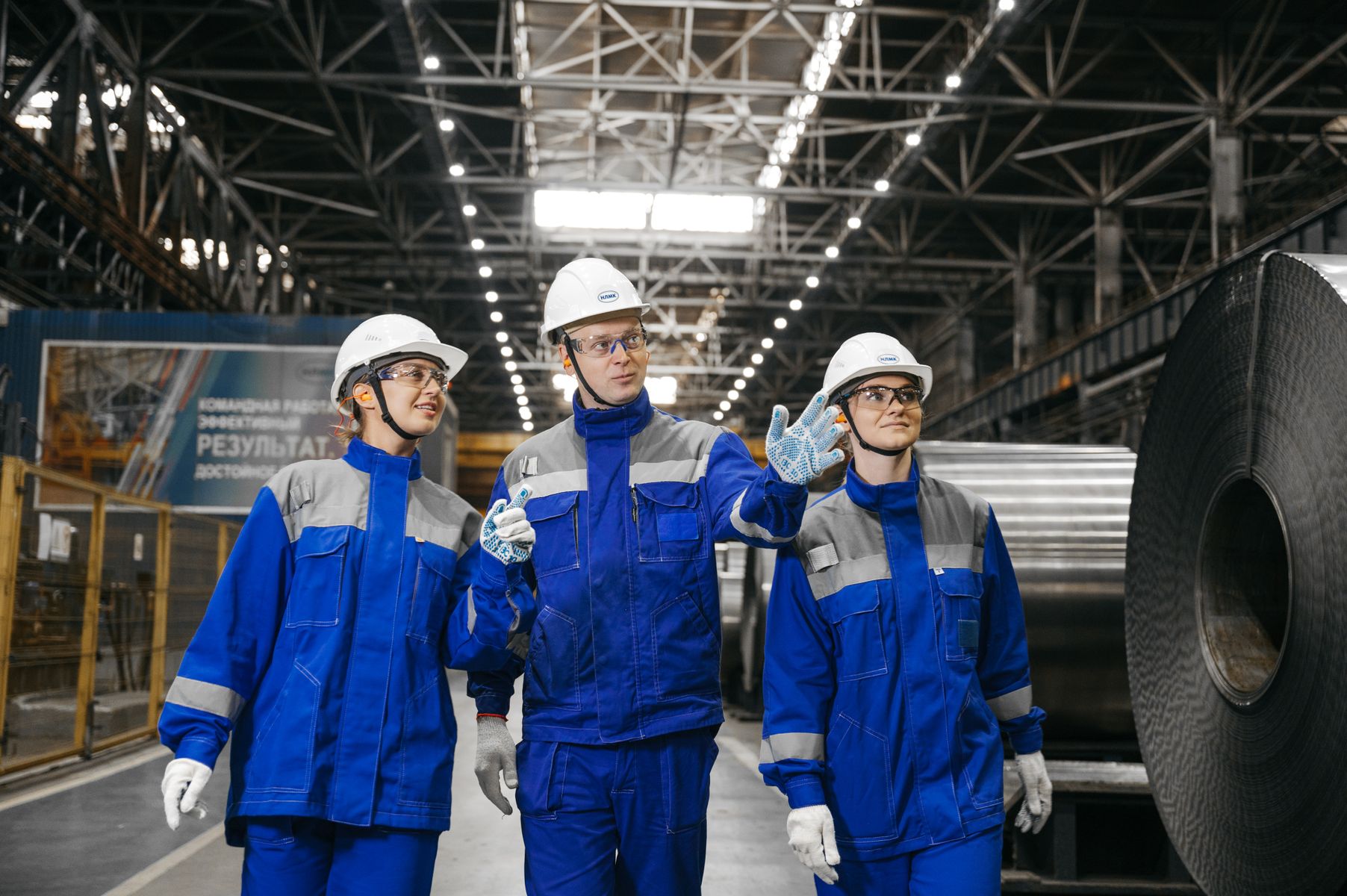
The same report describes a "Train the Trainer" model, with operator training carried out in Japan. It is a sensible way to bring a brand-new workforce up to a common standard. Yet when those trainers come home, somebody has to be standing on a shop floor in the Highlands who knows what a good day looks like, and that somebody is a manager.
What does a brand-new factory need before it can run?
A new factory needs people who have run a comparable plant before, not only people who can operate its equipment. Operators can be trained to a standard. Production, maintenance and operations managers carry the judgement no course transfers, like when to stop a line or how to spot a fault that hasn't announced itself yet. A plant with first-class operators and no experienced management will still stumble through its ramp-up.
And a £350m site earns nothing while it learns.
Offshore Wind notes that ground was broken some two and a half years before the opening, so there was plenty of runway to find a leadership team. But in most manufacturing projects I've watched, the buildings and machines get a programme manager and a Gantt chart. The managers who will run them get a line in a spreadsheet. Or a hope that someone suitable turns up.
Where do the managers for a plant like this come from?
Mostly from other manufacturers, and mostly from people who are already employed. Until this month Britain had no high-voltage direct current subsea cable plant, so there is no ready pool of people who have run one. I would expect employers to look to adjacent sectors such as cable and wire, heavy fabrication and offshore wind components. Everyone doing that search is fishing in the same shallow water.
I'd guess most of those managers are in jobs they quite like.
That matters well beyond the Highlands. A mid-sized fabricator or component maker in the same region doesn't have to lose its maintenance manager for the opening to hurt. It only takes one call about a new-build site with a fresh budget, and the conversation about pay and prospects has begun. We saw a version of this when a Welsh expansion built a hall ahead of demand.
The factory floor was ready long before anyone had decided who would manage what went in it.
How does a slower hiring market change that?
A slower market does not make senior engineering hires easier. Make UK's manufacturing outlook, published on 14th September, found that manufacturers are holding back on recruitment despite better demand, and that hiring intentions have weakened sharply. When most employers pause, the few that hire face less competition for attention. But the managers they want see fewer openings elsewhere, and tend to be more cautious about moving.
Make UK also points to high employment, energy and input costs weighing on confidence, and its senior economist said many firms want greater certainty before committing to growth. And plenty are hoping to find some soon, though I wouldn't bet the farm on it.
Make UK's warning that weaker recruitment could leave firms short of skills sits oddly beside what employers say about the engineering management skills gap UK-wide. Hold the two together and the arithmetic gets uncomfortable. Fewer hires now, in a thin pool, means fewer experienced managers coming through later. Which is a slow problem, and slow problems are the ones employers tend to leave until they are urgent.
What should an engineering employer do about it?
Treat retention as part of the hiring plan. Find out how your pay and prospects look beside a new-build employer, put a named successor next to every senior engineering role, and start looking for a maintenance or production manager before the vacancy exists. Searches begun after a resignation are the ones that drag, because the replacement is needed yesterday and the pool is the same size as ever.
It also helps to be honest about what you can offer, which is harder than it sounds.
A plant manager weighing a move will compare your site with the shiny one, so say plainly what is better about yours. Stability, a shorter commute, a team they already trust. Or a real say in how the place is run, which a new site with a head office watching every move may not give them. Say it before they ask.
None of this needs a big budget. It needs someone to decide, early, that the managers matter as much as the machines, and then to act on it before the next resignation letter lands on the desk. Doing so costs less than an empty chair, whatever the budget meeting suggests.
The operators are learning the job in Japan. Their managers need a different sort of preparation, and it begins the day someone chooses to hire them early.
If a senior manufacturing hire is on your horizon, or a manager you'd hate to lose, tell the engineering desk at Coburg Banks about the role and who else might be circling it.