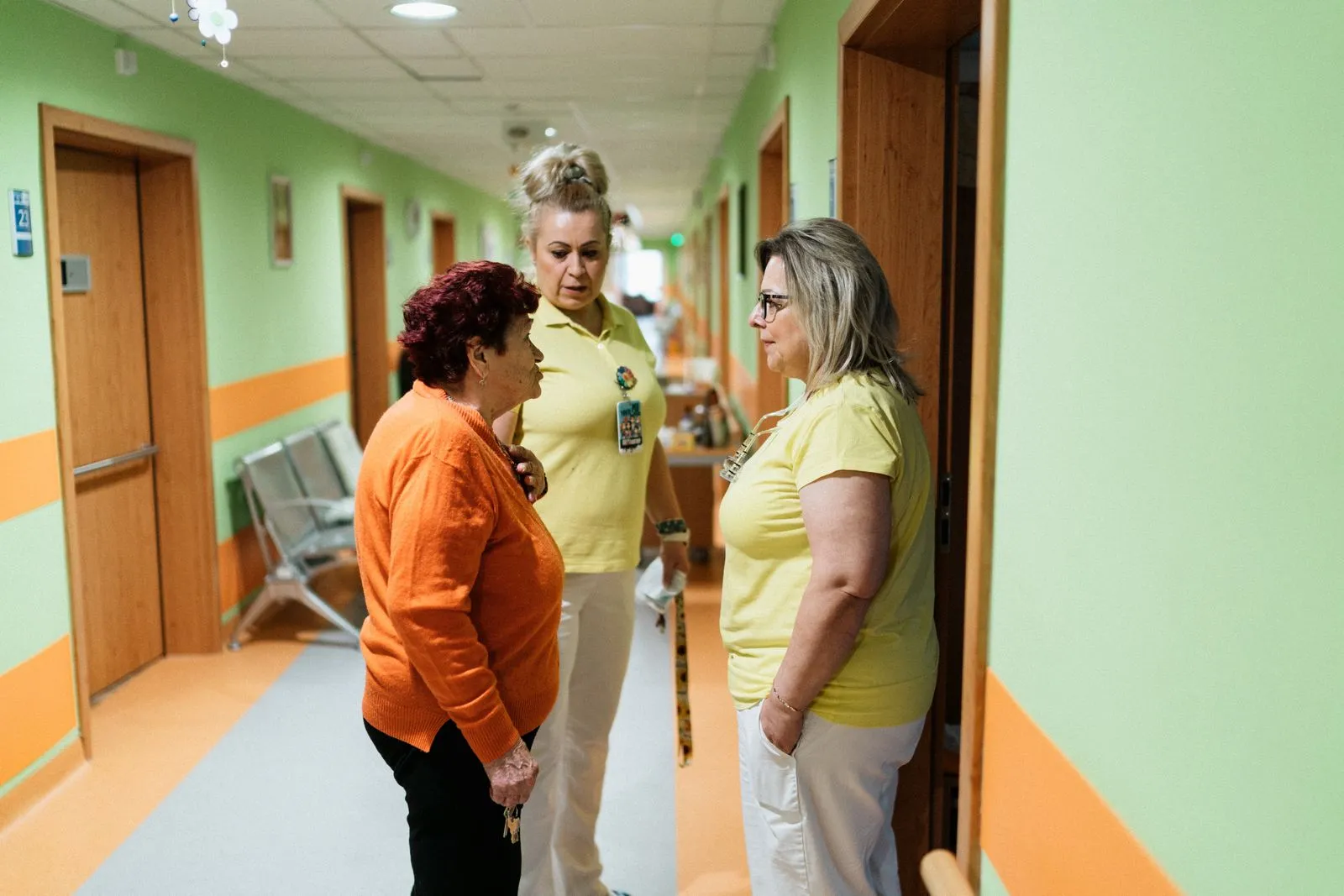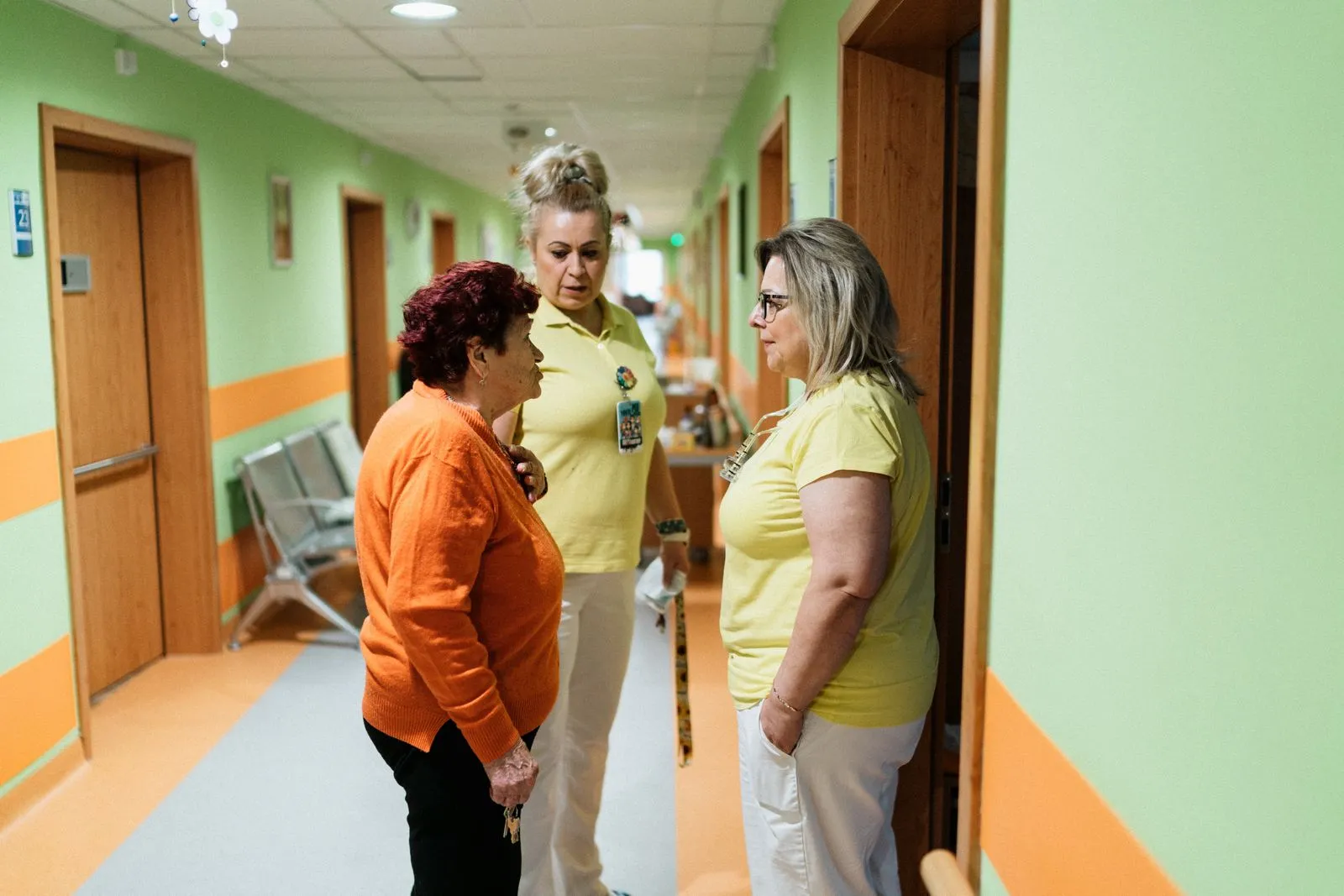
When a care service is short-staffed, the impact does not stay contained to the rota. It reaches the people being cared for, quickly and in ways that are easy to underestimate until an inspection or an incident makes them impossible to ignore. If you run a service under staffing pressure, it is worth being clear-eyed about what a shortage actually does to care quality. Here are ten of the ways.
1. Less time with each person
Fewer hands means every task gets rushed. The unhurried moments that make care feel like care, a proper chat, a bit of reassurance, get squeezed out first. Residents feel processed rather than cared for, even when nothing technically goes wrong.
2. Small changes get missed
Spotting that someone is off-colour, eating less, or slightly confused takes attention, and attention is the first casualty of a short shift. A change that a settled team would catch early can slip through and become something serious.
3. More mistakes
Rushed, tired staff make errors, in medication, in moving and handling, in records. None of them intend to, but pressure and fatigue raise the odds, and in care the consequences of a mistake land on someone vulnerable.
4. Corners get cut
When there is not enough time, something gives. Usually it is the things without an immediate deadline, repositioning, hydration prompts, the careful bits of personal care. Each shortcut seems minor in the moment and adds up to a real drop in standards.
5. Records slip
Documentation is often the first thing to fall behind when staff are stretched, and incomplete records are both a care risk and a compliance one. The day an inspector or a family asks, the gaps are there in black and white.
6. Staff burn out
A shortage runs the remaining team into the ground, and burnt-out carers cannot deliver their best however much they want to. Exhaustion shows up as short tempers, sickness, and eventually more resignations, which deepens the very shortage causing it.
7. Continuity breaks down
Filling gaps with agency or constantly changing faces means residents rarely see the same carers, and the trust that good care depends on never gets a chance to build. For people with dementia especially, unfamiliar faces make everything harder.
8. Dignity takes a hit
When everything is a rush, the small things that protect a person's dignity are the easiest to drop. Nobody decides to compromise dignity, it just erodes quietly under time pressure, and it is exactly what residents and families notice most.
9. Safety incidents rise
Falls, pressure sores, missed observations. A lot of the incidents that hurt people and trigger investigations are more likely when a service is short-staffed. The link between staffing levels and safety is direct, and regulators know it.
10. The service risks its rating
Put all of the above together and a persistent shortage threatens the inspection outcome the whole service depends on. A rating drop affects funding, referrals and reputation, and it is far harder to recover than to protect.
The thread running through all ten is that adequate, stable staffing is not an operational nicety, it is the foundation of safe, dignified care. Getting there means filling roles with people who fit and stay, quickly enough to keep the shortage from biting. That is what we focus on. Our piece on how poor recruitment practices impact care covers the hiring side. When you need to close a staffing gap, here is how we work, or book a call.