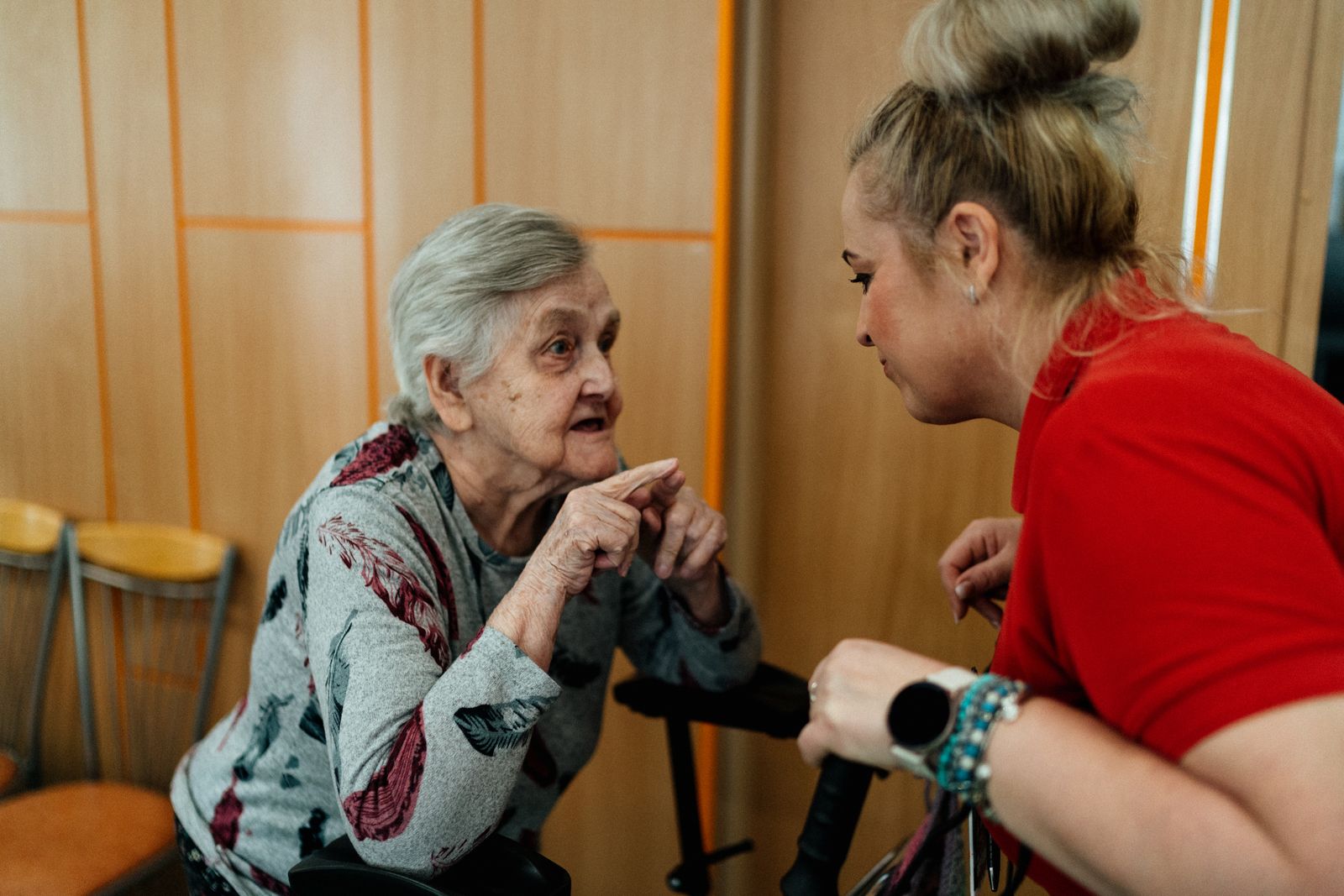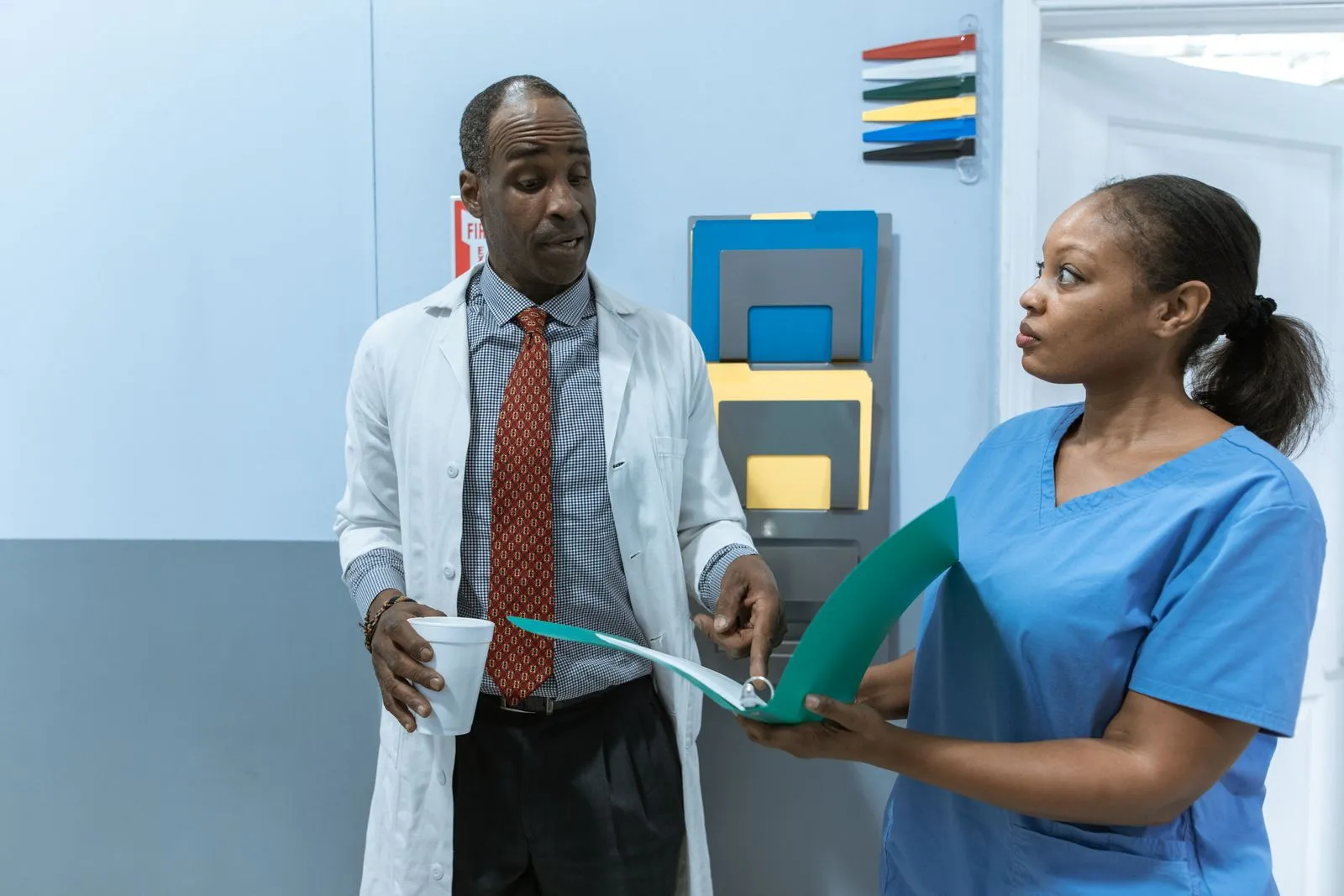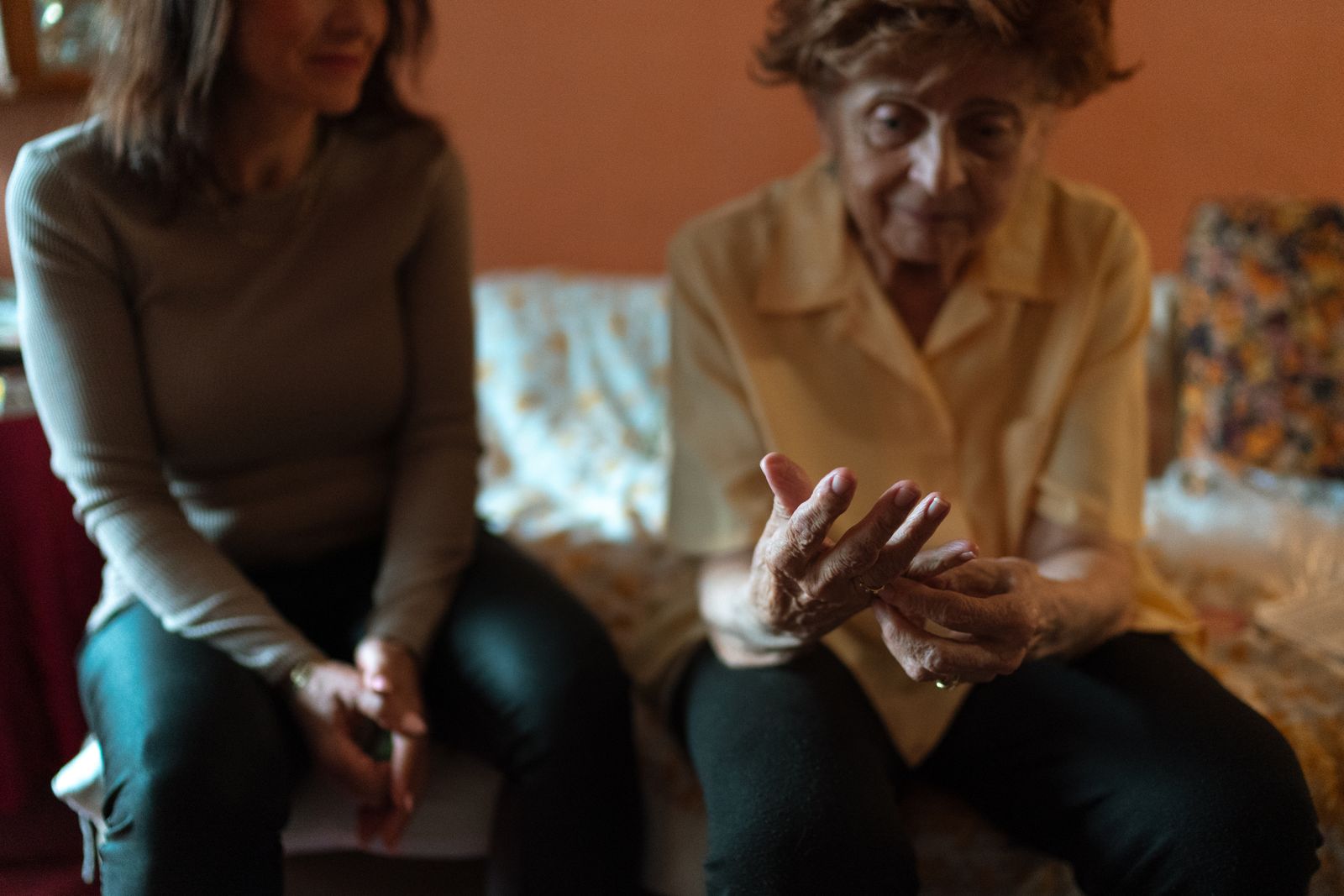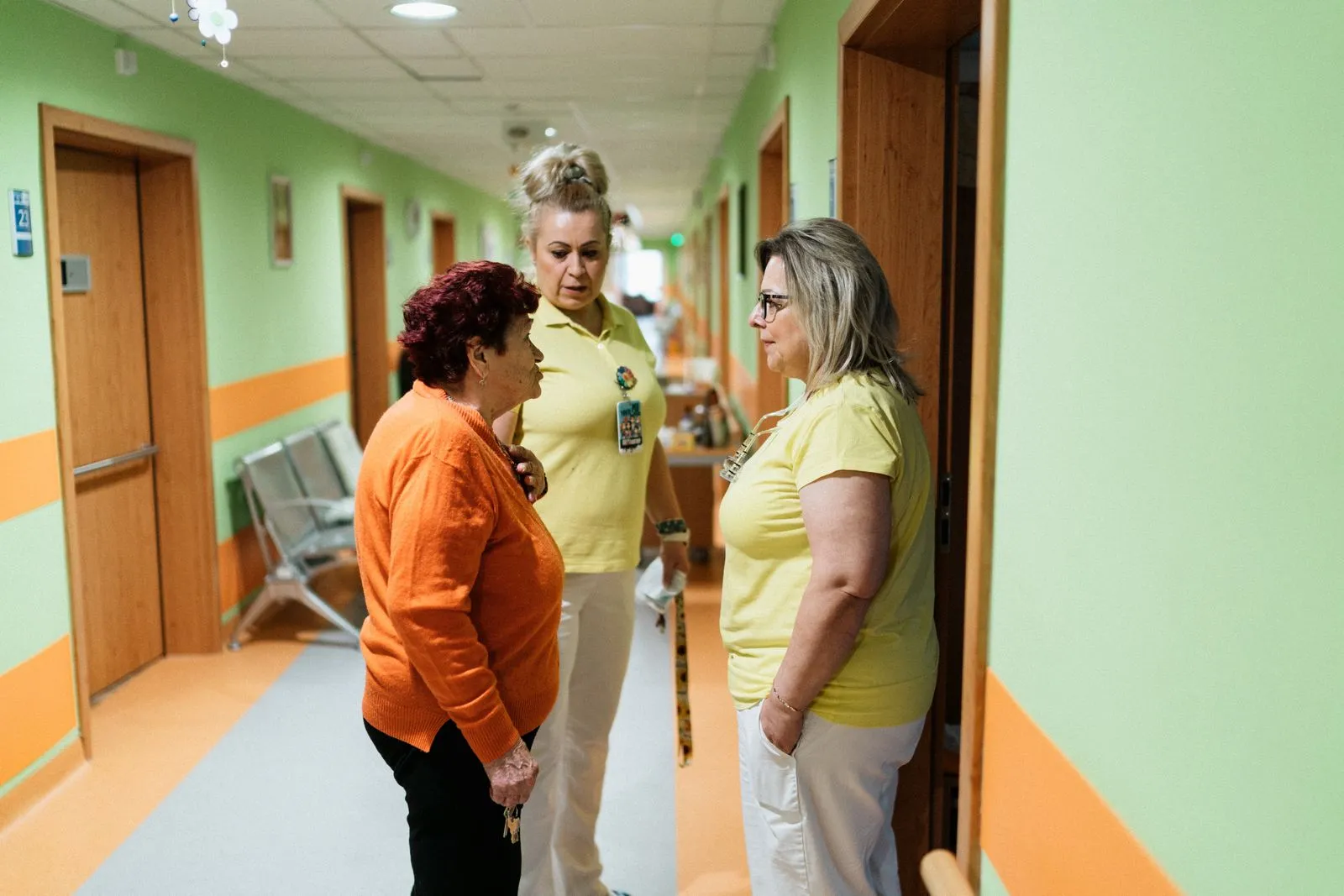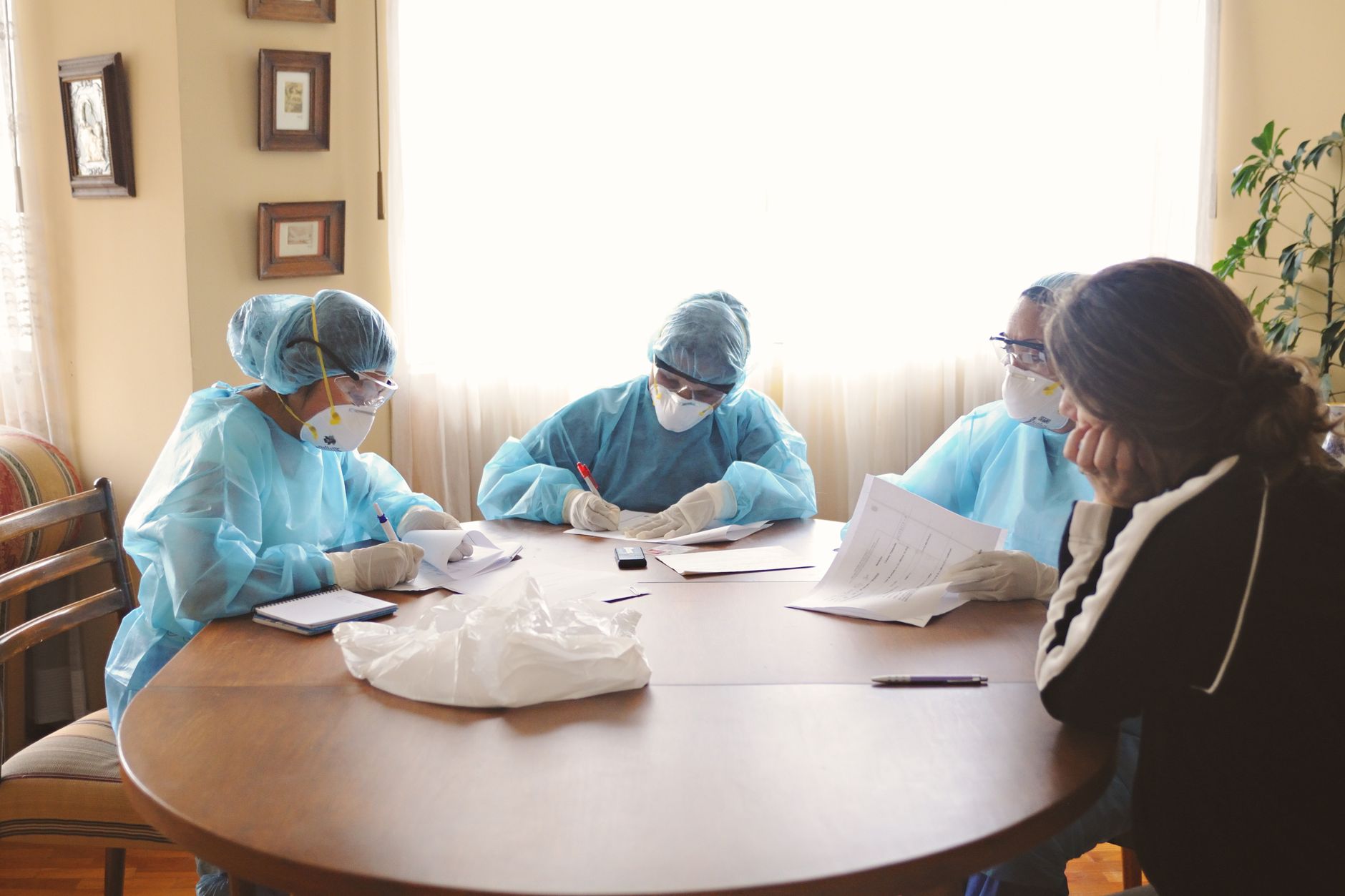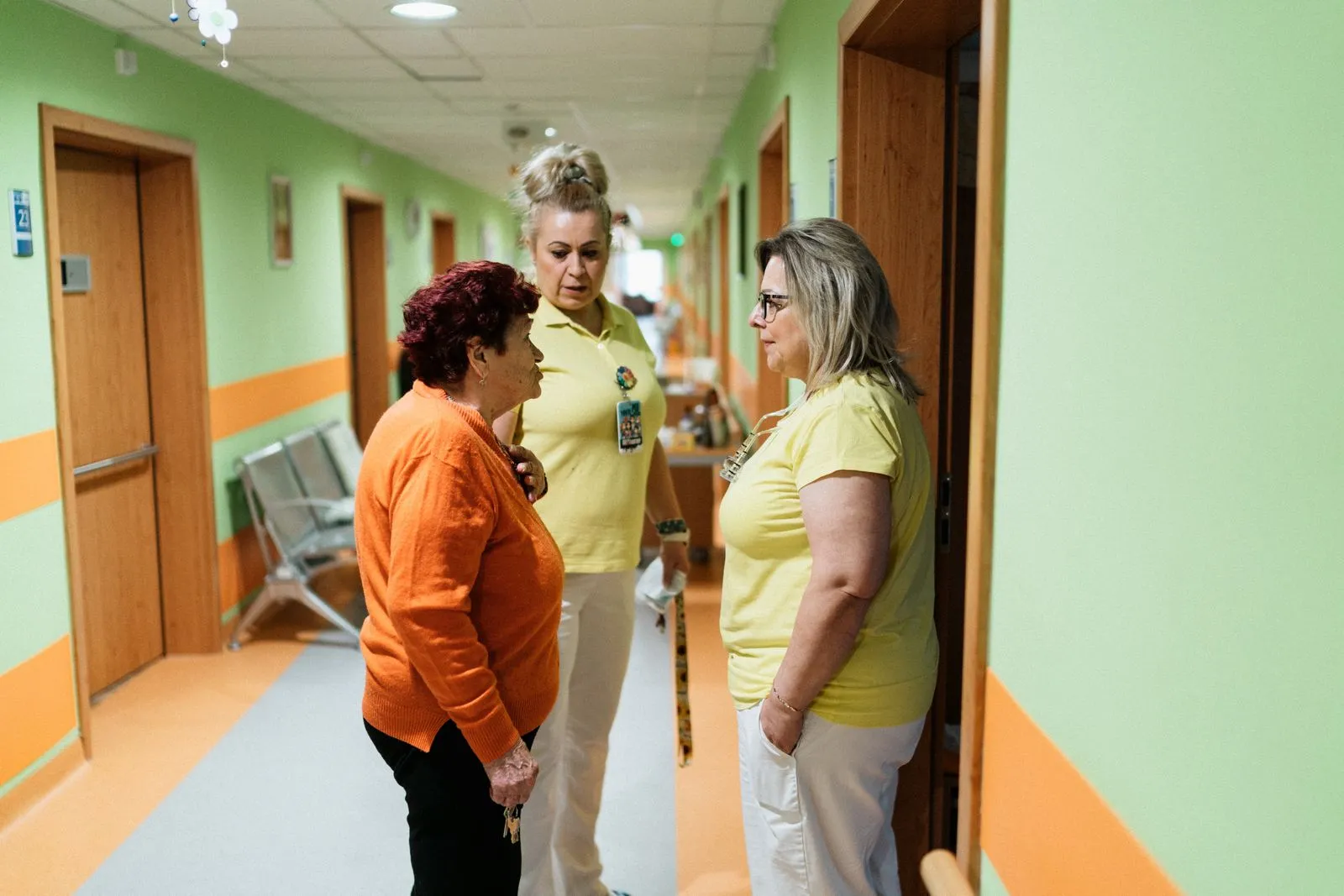
Two care teams can run the same service, on the same funding, to the same regulations, and deliver completely different quality. One has settled residents, calm staff and a good inspection behind it. The other lurches from crisis to crisis. What makes the difference is almost never the building or the budget. It is the team, and how it works. If you are hiring or shaping a care team, these are the traits that mark out the strong ones.
1. Consistency, day in day out
Good care is not a heroic effort now and then, it is the same standard on a wet Tuesday when three people have called in sick. Strong teams hold that steady baseline, and residents and families feel the difference. Consistency is quiet, unglamorous, and worth more than the occasional brilliant day.
2. They actually communicate at handover
So much in care goes wrong in the gaps between shifts. A strong team hands over properly, so nothing about a resident's condition or mood gets lost. Weak handovers are where small changes go unnoticed until they become incidents. It is one of the clearest markers of a team that has its act together.
3. They spot the small changes
The best carers notice when someone has gone a bit quiet, is eating less, or is not quite themselves. That early noticing is what prevents a deterioration becoming an emergency. It comes from people who are engaged and know their residents, not clock-watchers, and it is largely a product of who you hired.
4. Low turnover, familiar faces
Residents do better with people they know and trust, and continuity of care is hard when the team is a revolving door of agency staff. A stable team is a higher-quality team almost by definition, which is why retention and getting the hire right matter so much in this sector specifically.
5. They stay calm when it gets hard
Care work has truly difficult moments, distress, aggression, grief, emergencies. The strong team stays composed and kind under that pressure rather than fraying. How people behave on the worst days is what separates a team that can be trusted from one that cannot.
6. They treat compliance as care, not paperwork
The strong teams understand that the records, the care plans and the medication charts exist to keep people safe, not to satisfy an inspector. It is done properly because it matters, not grudgingly. That attitude is the difference between a service that passes inspections and one that scrambles before them.
7. They support each other
Care is emotionally heavy work, and a team where people look out for each other lasts. One that leaves individuals to cope alone burns them out and loses them. The mutual support inside a team is not a soft extra, it is what keeps good people in the job.
8. They keep the person at the centre
It is easy for a busy service to slip into doing things to people rather than for them. Strong teams keep the resident's dignity and preferences in view even when they are rushed. That person-centred instinct is a trait you hire for, because it is very hard to train into someone who does not have it.
9. They are open when something goes wrong
Mistakes happen in care. The teams you can trust are the ones that report them, learn, and put something right, rather than hiding them. A culture where people feel safe to say 'I got this wrong' is safer for residents than one built on fear.
10. They fit together
And underneath all of it, the strongest teams are made of people who complement each other and share the same standards. One wrong hire, someone unreliable or unkind, drags the whole unit down. Which is why building a strong team is as much about who you let in as anything you do afterwards.
A lot of this is leadership and culture, which is yours to build. But so much of it traces back to who is on the team, and that is the part we take seriously, screening for the human qualities that a CV and a DBS check never show. Our piece on the traits of high-performing care teams comes at it from another angle. When you are building a team, here is how we work, or book a call.