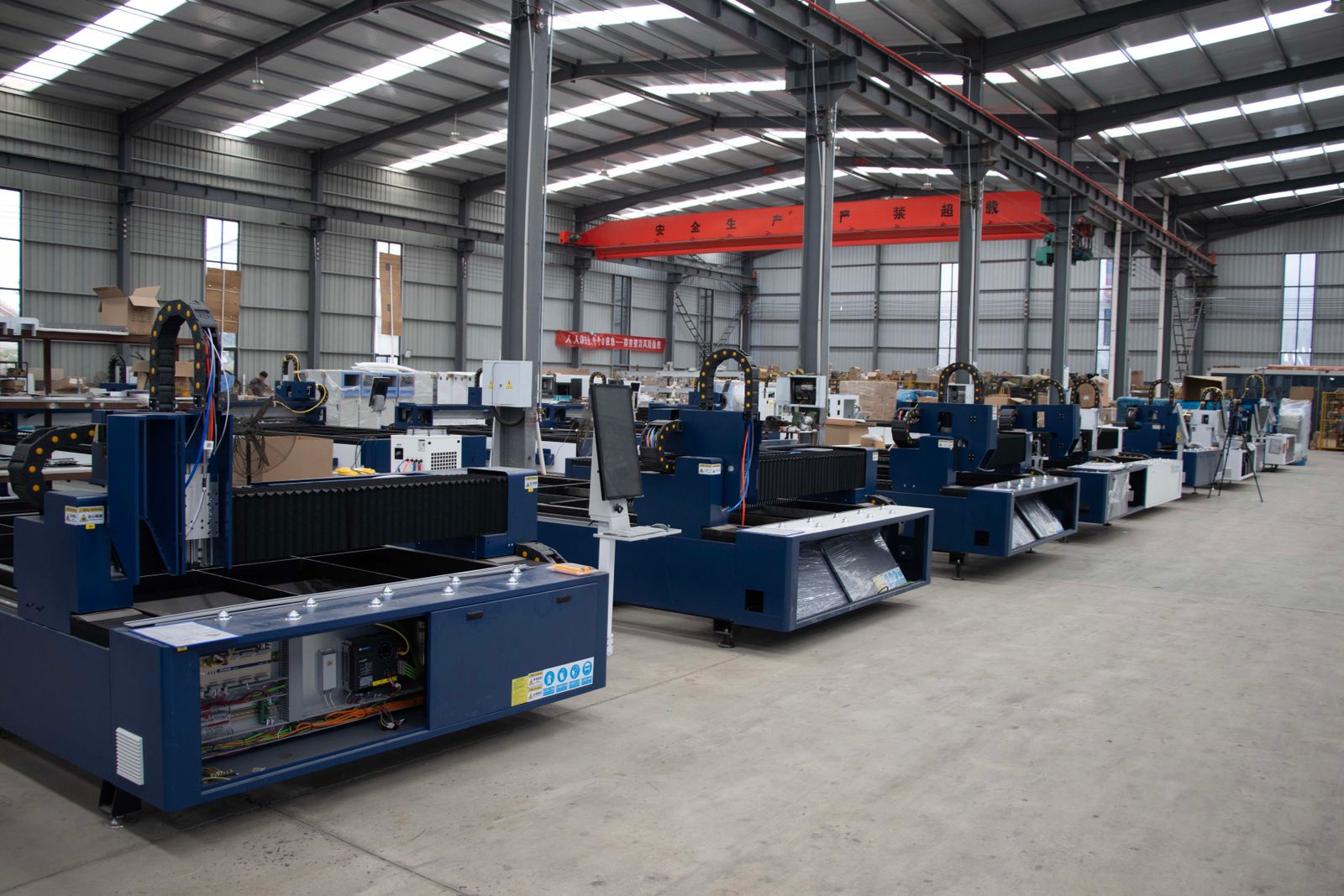
The operations director signed off the purchase order for a new line in about four minutes. Then the finance director asked who would be running it, and the meeting went very quiet.
The Budget was on the 28th October, so a few days on the headline totals have been picked over. Allowances, levies, billions for defence. All fair enough. But what I haven't seen anyone say is that every one of those numbers turns into a project, and every project needs a person with their name on it.
I'd argue the money is the easy half.
What did manufacturers actually get from the Budget?
A mixed bag, according to Make UK's response. The first-year capital allowance rises from 40% to 50%, which could help some plant and machinery investment, though Make UK points out that many manufacturers already have full expensing or the Annual Investment Allowance. Meanwhile the writing down allowance falls from 14% to 12% from next April.
But The Manufacturer says the British Industrial Competitiveness Scheme cuts electricity bills by up to 25% for 10,000 firms, and that full expensing is maintained.
Make UK adds that the same scheme starts next April but leaves most manufacturers outside it. And the electricity Climate Change Levy freeze doesn't begin until April the year after next. Make UK also says manufacturers were left out of business rates relief.
Not a great week for the finance director who just approved that purchase order.
Where does the defence and growth money go?
Mostly into firms that are about to get busier. City AM reports more than £5bn of taxpayer funding for defence funds and companies, shared between the British Business Bank and the National Wealth Fund. The Manufacturer says up to £5bn of investment and lending over four years is aimed at defence, dual-use technology and sovereign capability.
It adds that a further £20.4bn for the National Wealth Fund and British Business Bank is linked to 140,000 jobs.
City AM also notes that defence spending targets were deferred to the spring spending review. So the cash is announced, but the shape of the orders isn't.
Picture a mid-sized precision firm that wins a first contract off the back of this. The site director's inbox doesn't stop. Winning the order is the easy bit. Then comes a new cell, a second shift, a maintenance regime nobody has written yet, and a customer audit that arrives before the paint has dried.
Why does a tax allowance create a hiring problem?
Because an allowance is a reason to buy equipment, and equipment has to be commissioned, staffed and kept running by someone senior. The tax saving lands in the finance team, but the work lands on operations.
In my experience that person is rarely the one who signed the purchase order. A new line needs an operations manager who can sequence the install around live production. It needs a maintenance manager who will own the downtime, and a production manager who can hit the rate from the first week. Or you find all three in one exhausted person.
Those are not roles you promote into overnight.
They tend to sit with people who have commissioned a line before and have the scars to show it, and in my view operations manager recruitment for manufacturers is slow, patient work rather than a job board and a prayer. The sharper finance directors know this already.
How much dearer has it become to employ those people?
Noticeably, if you believe Make UK, which says employing people is becoming more expensive and riskier. It cites the Employment Rights Act and higher employer National Insurance contributions, and notes that the employer National Insurance threshold is unchanged. For a senior hire that is a bigger commitment than it was. Employers feel that before the candidate ever does.
City AM reports that the OBR expects the Employment Rights Act to have a negative economic impact through extra labour costs, reduced operational flexibility and business uncertainty. No figure was given, which is sort of the point. But nobody can price it, and I suspect plenty of employers pad for it.
In my view wage floors matter here too, even though none of my candidates earn anywhere near one.
Personnel Today reports commentary that the minimum wage has climbed 61% from £8.21 to £13.21 an hour, with the pressure spreading to more experienced staff. And differentials squeeze from below. A supervisor who used to earn comfortably more than the operator now earns a bit more, and that awkward conversation lands on the desk of the manager above.
Can apprenticeships and skills policy close the gap?
Not on this timescale. Apprenticeships build a pipeline for years ahead, and a plant with a new line needs a manager now. Make UK welcomes the extra apprenticeship brokerage funding, and HR Review reports the CIPD welcomed a £100m expansion of mayoral apprenticeship brokerage. But Make UK notes that the maximum apprenticeship funding band was not raised to £35,000.
Apprentices are the pipeline for ten years from now, and I'm all for them.
A plant that needs a maintenance manager before the new line is commissioned can't wait for a cohort to mature. HR Review says the CIPD argued that skills, AI and jobs policies are disconnected from the employment tax and regulation decisions that pull the opposite way. I'd put it more bluntly. One department pays you to invest, and another makes the people to run it dearer.
The Manufacturer adds that the Chancellor plans to reform skilled worker visas and non-compete clauses. That could change who is available and on what terms, but nobody knows yet. Nor do I.
Who should own the project before the order goes in?
Name the owner before you place the order. Decide who will run the project, whether that person exists inside the business today, and what you'll do if they don't.
If the plan is to find someone once the kit lands, you've started the clock at the wrong end.
Check your pay bands against the market early too, since a gap there is easier to fix before you advertise than after. Our salary guides are a fair place to start. And if the incentives you're counting on turn out smaller than hoped, a good manager already in post is the one thing that still earns its keep.
Back in that meeting, the purchase order was the easy signature, and the empty chair at the end of the table is what decides whether the line ever earns its money.
If one of those chairs is yours, the people behind our engineering recruitment page would be glad to hear about it.