A Care Worker Pension Is Coming. Who Will Run the Change?

A national pension scheme for care workers is coming, and whoever runs the service will be the one explaining it.

By
Anthony Hughes
,
Head of Recruitment
of Coburg Banks
LinkedIn Profile
October 2, 2026

Care workers are getting a national pension scheme, and the government hasn't said how it will work yet.

Yvette Cooper, the Health and Social Care Secretary, announced it at Labour's conference on 30 September. Community Care reported that she gave no details, but that it will most likely be a fund that staff and employers across the sector pay into together, with a target income in retirement.

The announcement follows lobbying from UNISON, which has warned that low pay and a lot of part-time work have left care workers with small pension pots. In April, UNISON argued that a collective scheme would help with retention and the status of care work as well as retirement incomes. Both UNISON and the GMB welcomed the news.

Why are pensions such a sore point in care?

Many care employers pay only the legal minimum, and many part-time care workers earn too little to qualify at all. According to Skills for Care's latest workforce report, as cited by Community Care, 70% of the 5,500 independent sector employers who answered the question paid no more than the 3% minimum, and 44% of care workers were part-time as of March last year.

Under auto-enrolment, employers pay in 3% of an employee's earnings, the worker pays 4% and tax relief adds 1%. But staff can opt out, and Community Care notes that low pay makes that more likely. Staff aged 22 and over only qualify if they earn more than £10,000 a year.

The government recently changed the law so that several employers can join one collective scheme. Ministers have said that pooling investment and risk should give staff more predictable pensions than an ordinary defined contribution scheme.

But Community Care also points out that it isn't clear whether the new scheme will ask employers for more than they pay now, or whether the government will chip in beyond tax relief.

Care England and the Homecare Association both welcomed the plan. But the Homecare Association said the detail will matter a great deal, including how the scheme is funded and run and how it works for thousands of employers of very different sizes.

What else is coming

In July the government announced that the first fair pay agreement is backed by £500 million for adult social care, with negotiations starting next April and the first settlement a year after that. An Adult Social Care Negotiating Body, made up of union and provider representatives, will set pay, terms and conditions, with ministerial sign-off. We looked at what that could mean for manager pay in an earlier piece.

Cooper also promised a workforce plan covering career paths, training and specialist skills, and thousands of places for young jobseekers in care sector academies. Those pair work placements with training. The Homecare Association said that, done well, they could create clearer routes into care from education and unemployment.

Who explains the pension scheme to the team?

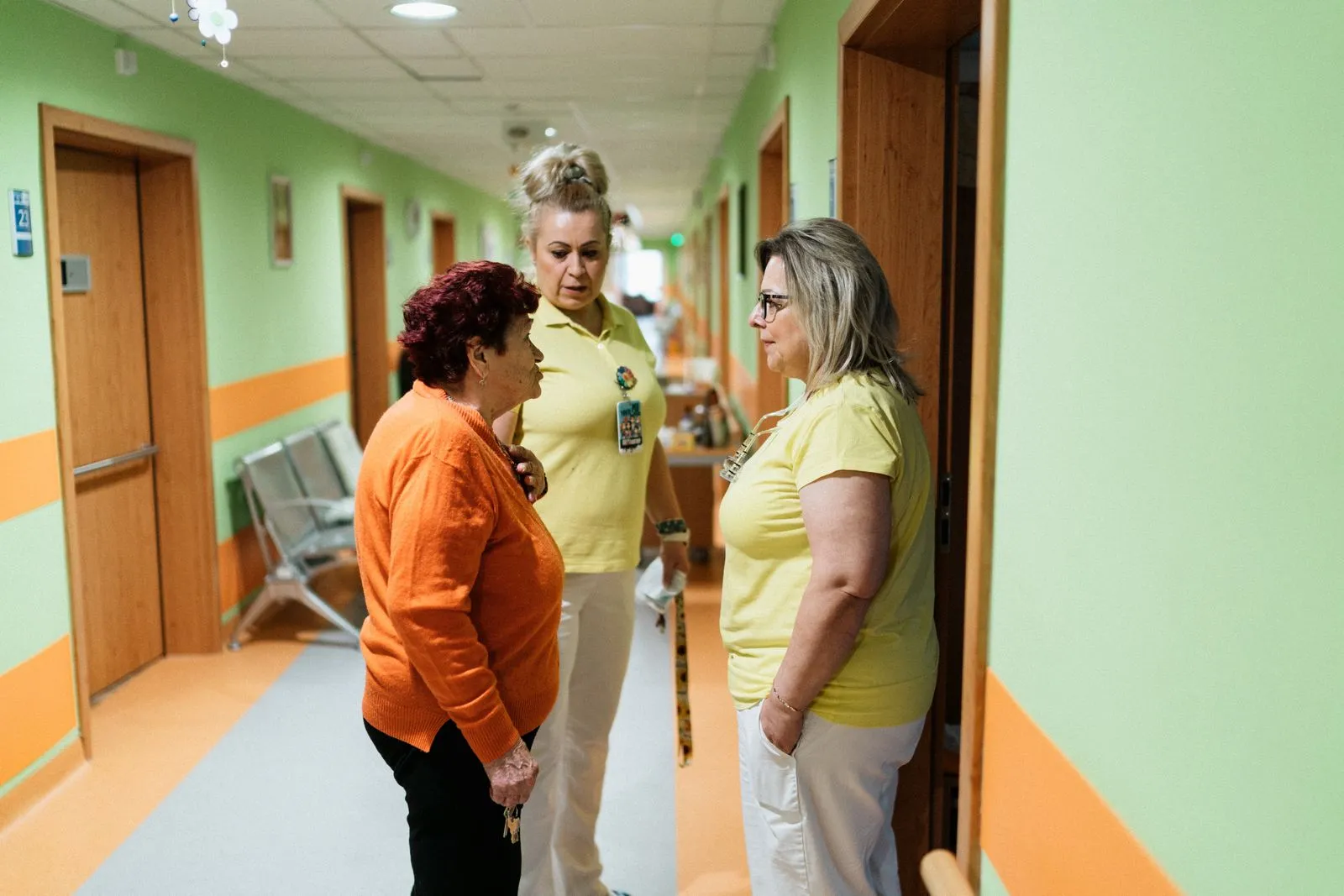
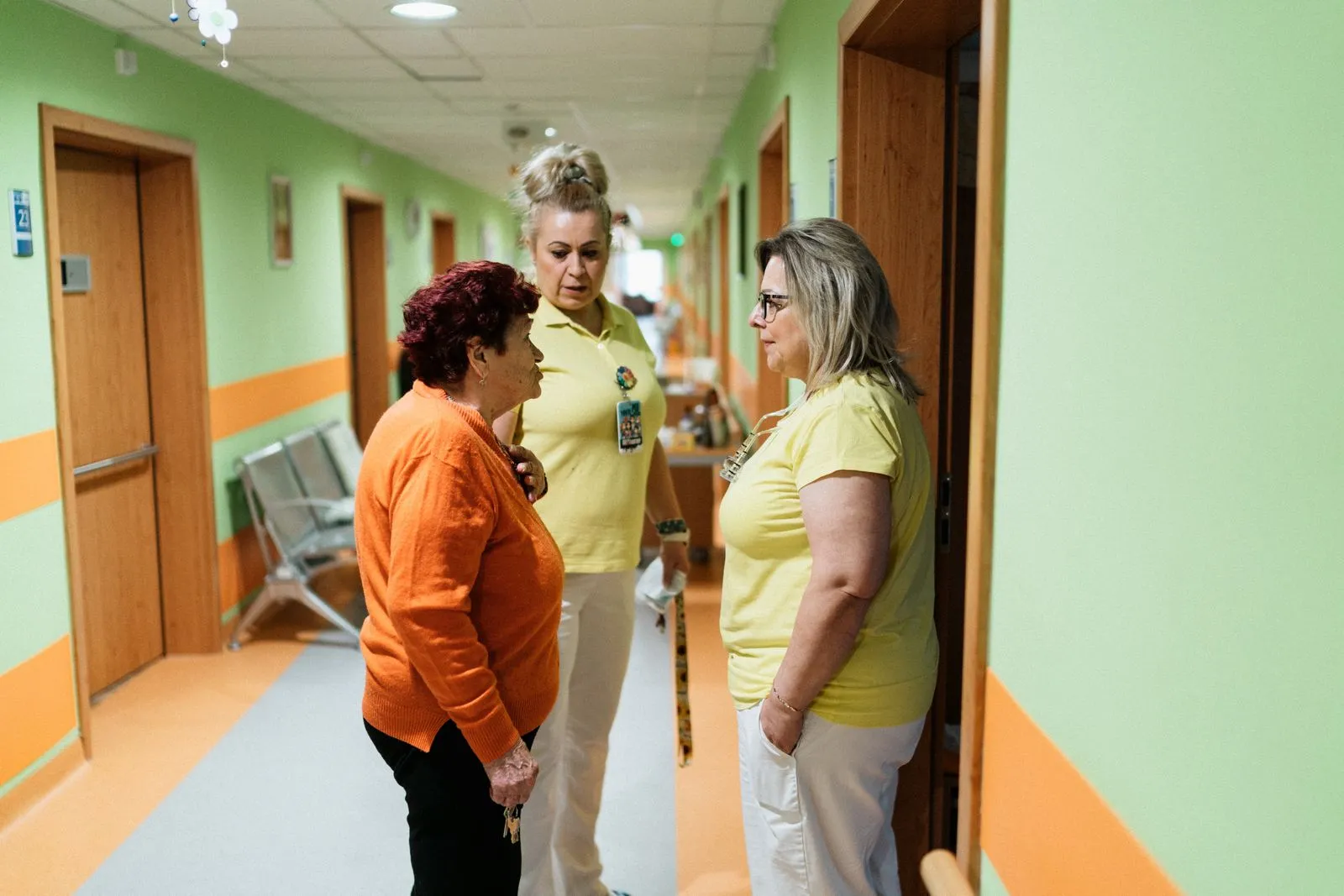
I'd expect staff in a care home or a domiciliary agency to take their questions about the new pension scheme to the registered manager, because they run the service day to day. With a fair pay agreement and a workforce plan also on the way, those questions won't stop.

Picture a manager whose team has just seen the news on their phones. A senior carer asks whether the scheme means less in her pay packet, and the manager doesn't know, because nobody does yet. She says she'll find out, then looks, and all she finds is an announcement with very little detail.

What if the manager's seat is empty when the changes arrive?

When there's no registered manager, the questions about the pension scheme go to whoever is covering the job on top of their own, and they have no more answers than anyone else. That's a lot to carry while the fair pay negotiations start next April and the pension detail turns up. How long it lasts depends on how quickly the seat can be filled.

One domiciliary care provider in the South East spent about two months advertising for a registered manager and mostly heard from people outside domiciliary care. Once we looked locally at people with domiciliary care experience who had worked to CQC standards before, the process took four weeks.

What would I do before the detail arrives?

I'd start with the people you already have. If a deputy could step up to registered manager in the next year or two, have that conversation now, while nobody is under pressure. Even a rough idea of who could cover and who might step up gives you somewhere to start.

It's worth asking your payroll team what you pay in employer pension contributions today, so you have a figure to compare the new scheme with once the rules are published.

If there's already a gap in your management team, I'd look at that sooner rather than later, and our care recruitment page explains how we work with providers.


Coburg Banks Health & Social Care Recruitment
We help outstanding care professionals get brilliant jobs in top companies.

Continue reading

Two social care sector managers reviewing appointment and compliance documents together in an office meeting
Category
5 min read

The One Job Title That Can Land You in Court, Personally

One Manchester case reveals a legal risk most care providers have never considered before appointing a registered manager.
Care home managers reviewing files together during a leadership review
Category
5 min read

The CQC Is Quietly Reopening Files on Care Homes Rated Good

Care homes that haven't had a full check in years are quietly back in the CQC's sights, and it's really about who is running them now.
Category
5 min read

How Staffing Levels Affect Health and Social Care Services

Staffing levels in health and social care directly impact service quality and patient safety. Discover how improving staffing can enhance care and satisfaction.
A registered manager and a care worker supporting a resident in a UK care home corridor
Category
5 min read

The Pay Rise Coming for Care Staff Could Squeeze Your Managers

Care worker pay is heading for a national reset, and registered and deputy managers may end up feeling the squeeze first.
Senior care staff supporting a resident in a UK care home, the kind of registered manager leadership Coburg Banks recruits for
Category
5 min read

Care Has a New Minister. Your Leadership Gap Hasn't Moved

A new social care minister and reform agenda are in the headlines, but your registered manager still needs the same support today.
Caregiver supporting an elderly resident in a UK care home setting
Category
5 min read

The Registered Manager Problem Nobody Wants to Talk About

Care vacancies hit a decade low, but registered manager roles tell a different story. Nearly double the sector average, with a third of current managers approaching retirement.
Registered manager and senior care staff in a team meeting discussing safeguarding and complaints handling
Category
5 min read

The Real Reason Social Care Complaints Keep Climbing

Complaints are up 22% but fewer are upheld. The gap says more about leadership than care quality, and it's fixable through better hiring.
A care home corridor, representing the leadership continuity a care home manager change requires when a home changes operator
Category
5 min read

Ten Care Homes Are About to Change Hands. Then What?

A CMA competition ruling is about to leave several UK care homes without a confirmed registered manager, almost overnight this week.
Care home staff supporting a resident in a modern UK care facility corridor
Category
5 min read

Your Council Is About to Compete With You for Care Leaders

A wave of council mergers is about to make finding a good registered manager or regional manager tougher than it already is right now.
Category
5 min read

7 Reasons to Trust Coburg Banks for Health and Social Care Recruitment

Struggling to fill key health and social care roles? Discover strategies to overcome recruitment challenges and secure top talent for your organisation.
Category
5 min read

8 Reasons Clients Trust Coburg Banks for Care Recruitment

Finding the right care professionals is vital for quality healthcare. Discover why DIY recruitment falls short and how specialist support can transform your hiring process.
Category
5 min read

5 Ways Coburg Banks Ensures the Right Fit for Every Care Role

Finding the perfect candidate for healthcare roles is crucial yet challenging. Discover tailored recruitment solutions to ensure high care standards and the ideal candidate fit.
Category
5 min read

How Coburg Banks Future-Proofs Your Health and Social Care Workforce

Is your health and social care workforce ready for future challenges? Discover how future-proof recruitment can secure skilled professionals for tomorrow's demands.
Category
5 min read

10 Reasons Coburg Banks’ Care Recruitment Solutions Drive Business Growth

Is your care recruitment strategy stunting growth? Discover how effective recruitment can transform healthcare organisations by ensuring skilled hires and driving success.
Category
5 min read

Why Retention Is a Key Metric in Health and Social Care Recruitment

Poor care retention affects patient care and strains resources. Discover strategies to improve stability and achieve excellence in healthcare.
Category
5 min read

How Coburg Banks Future-Proofs Your Health and Social Care Workforce

Is your health and social care workforce ready for future challenges? Discover how future-proof recruitment can secure skilled professionals for tomorrow's demands.
Category
5 min read

10 Reasons Coburg Banks’ Care Recruitment Solutions Drive Business Growth

Is your care recruitment strategy stunting growth? Discover how effective recruitment can transform healthcare organisations by ensuring skilled hires and driving success.
Category
5 min read

Why Retention Is a Key Metric in Health and Social Care Recruitment

Poor care retention affects patient care and strains resources. Discover strategies to improve stability and achieve excellence in healthcare.