I was on a wet platform at Leicester station last week, coffee going cold, when the Mars news popped up on my phone.
The company is spending £161m modernising its Melton Mowbray pet food factory, and my first thought had nothing to do with the machines. Fitting new production lines is the simpler part of any upgrade, at least on a site that can't stop producing.
The hard bit is the year or so either side of it. Old kit still has to hit its numbers while contractors cut holes in the floor next to it. The engineers who know the old machines best are the same ones you need learning the new ones. And somebody has to decide, most mornings, which of those two jobs wins.
What is Mars changing at Melton Mowbray?
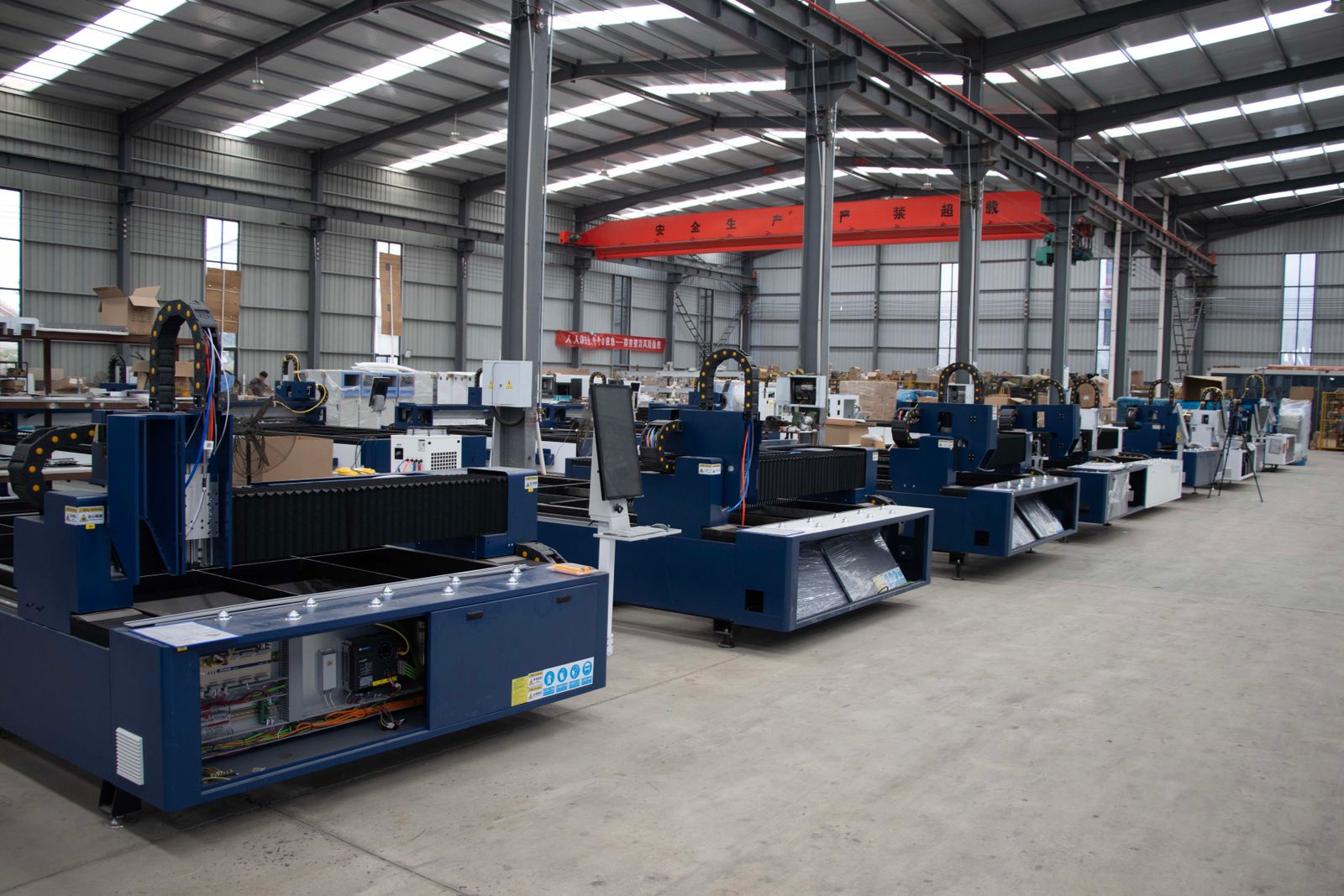
According to The Manufacturer, Mars is putting £161m into the site over roughly the next five years, making it the company's primary UK factory for pouched pet food. The money pays for advanced pouch lines using recyclable mono-polypropylene packaging, plus AI-powered cameras that catch defects earlier. Mars expects more than 30 skilled technical and engineering roles in the first year, and its apprenticeship cohort grows to 33.
None of that is happening on a greenfield site.
Melton Mowbray has been part of Mars for 75 years, according to the same report, and it's where Whiskas and Pedigree started out. About 95% of what it makes goes to UK households. Which means the shelves still need filling every single week the upgrade is under way.
Why is upgrading a working factory harder than building a new one?
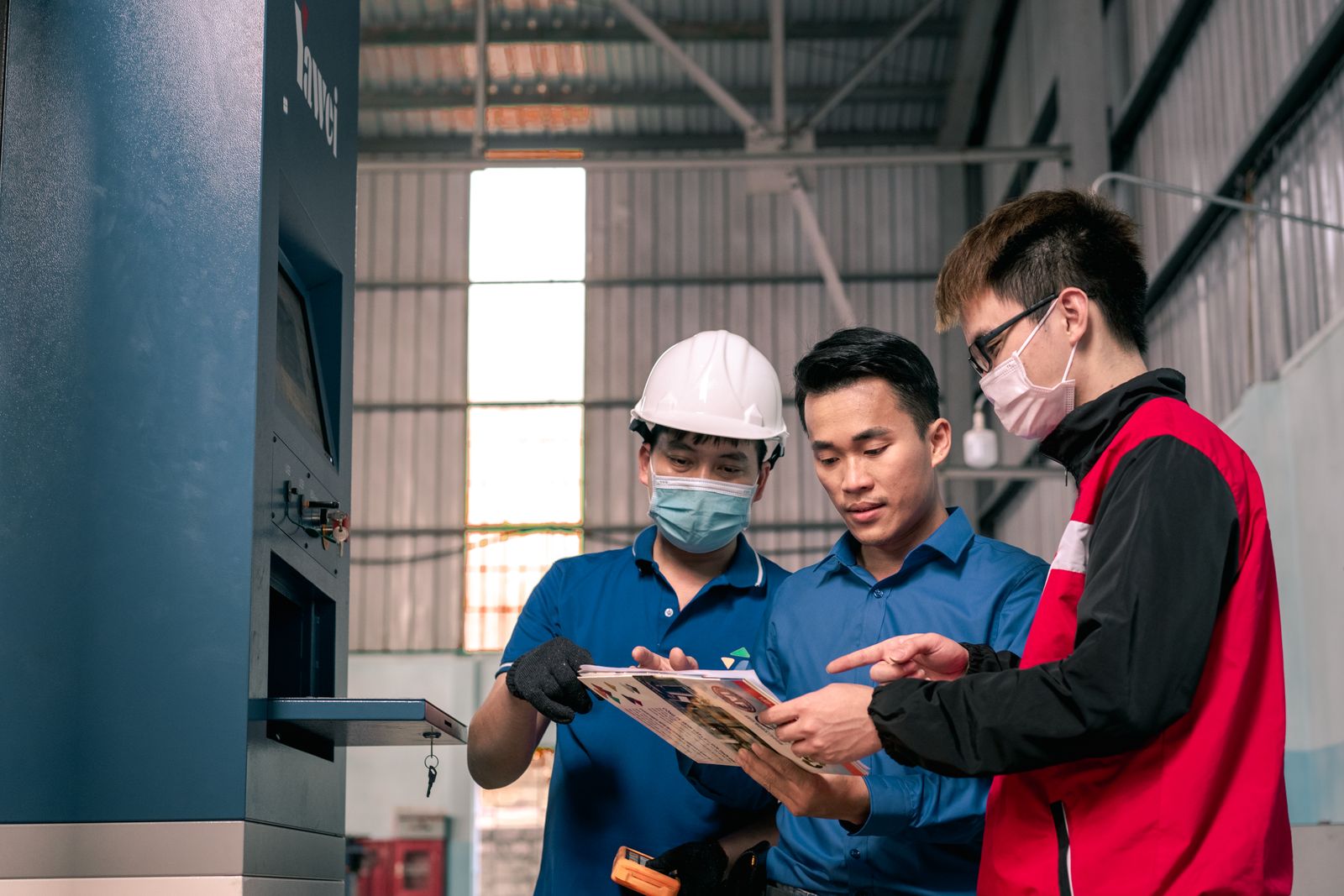
A new build lets you hire a team, commission the lines and ramp up in a fairly straight line. But a live upgrade asks the same engineers to keep ageing kit running at full rate while installing and testing its replacement, often in the same hall. Maintenance windows shrink, downtime gets argued over, and the people who know the old kit best get pulled two ways at once.
I've watched that tug-of-war wear good managers down.
A maintenance manager I placed at a Midlands food site a few years back called the commissioning of a new filler the worst six months of his career. He loved that job, mind.
His planned maintenance schedule was built around one shutdown a fortnight, and the integrator wanted every one of those shutdowns for testing. He ended up covering nights himself, partly because nobody else knew where the spare gearboxes lived. (A shipping container behind the boiler house, for reasons lost to history.)
But what stayed with him afterwards had nothing to do with gearboxes.
He'd been hired to keep a stable plant stable. Nobody asked him at interview whether he had ever run a major upgrade alongside a full production plan, and he hadn't. Most maintenance managers haven't, to be fair to him.
What kind of engineering manager does a live-site upgrade need?
A live-site upgrade needs an engineering or maintenance manager who has already run new equipment in alongside old, ideally in food, pharma or packaging. Look for real commissioning experience, a record of protecting line efficiency through disruption, and the confidence to push back on integrators when production is at risk. Technical depth matters. But the deciding skill is judgement about what can and can't be allowed to stop.
And it's the hardest thing to spot on a CV.
Job titles don't help either. A projects engineer at one site runs capital work end to end, while at another they mostly chase quotes for the facilities manager. When we're shortlisting for upgrade-heavy roles, I'd rather hear a candidate talk for ten minutes about one commissioning that went wrong than read a page of bullet points about five that went fine.
And the ones who've done it well nearly always mention the production planner they had to win over first.
Are manufacturers still adding engineering managers right now?
Output is growing but hiring has paused. S&P Global's UK Manufacturing PMI rose to 52.8 in October from 51.9 in September, yet staffing levels were flat and a six-month run of job creation came to an end. Manufacturers are making more with the people they already have, which tends to stretch engineering teams long before it shows up in vacancy figures.
For a site in the middle of an upgrade, flat headcount is a warning sign.
The same maintenance team is being asked for more output from old lines and more hours on new ones. Overtime covers it for a while. Then a planner leaves, or a shift engineer, and the manager who was meant to be steering the upgrade spends three weeks on breakdowns instead.
Should the upgrade lead be interim or permanent?
For a programme lasting several years, a permanent engineering manager usually makes more sense, because the new lines need an owner after the contractors go home. An interim engineering manager suits a defined spike, like a single line installation or covering the day job while the permanent manager leads the project. Plenty of manufacturers use both, the interim protecting today's output while the permanent hire builds tomorrow's.
Mars, from the outside anyway, looks to be planning for the long haul.
Its plant manager, Sharon Ross, described the investment as a profound vote of confidence in the site and its people, and the apprenticeship numbers back that up. Growing a cohort to 33 is a bet on who'll be maintaining those pouch lines in ten years' time. Somebody experienced has to be there to teach them, though. And somebody has to have the time to do it.
Put the people in the capital plan
Most capital requests I see have pages on the equipment, the payback, the installation window and the contractor. Very few carry a single line for the people.
Yet in my experience, maintenance manager recruitment for a site mid-upgrade can easily take a quarter of a year or more from brief to start date once notice periods are counted, and the best candidates for that kind of role are rarely scrolling job boards.
They're in jobs. Usually good ones, at sites that have just finished an upgrade of their own and would quite like a quiet year, thanks. Getting their attention means showing them a project worth the upheaval and a plan that doesn't leave them alone in a shipping container looking for gearboxes.
We wrote recently about hiring engineering managers ahead of a factory expansion, and much the same logic holds when the hall already exists and is full of running kit.
Cheaper, and just as useful, is asking your current team a few awkward questions before the funding is signed off. Who on site has commissioned new equipment before? Does anyone actually want to? And who is quietly planning to leave the moment the contractors arrive?
The train, and the timing
My train eventually turned up eleven minutes late, which in the scheme of things is nothing. A factory upgrade running eleven weeks late because the right engineer arrived after the kit did is a much bigger problem.
When an upgrade like this reaches your own capital plan, our engineering recruitment team can tell you honestly how many people have already run one, and how quickly they're likely to move.