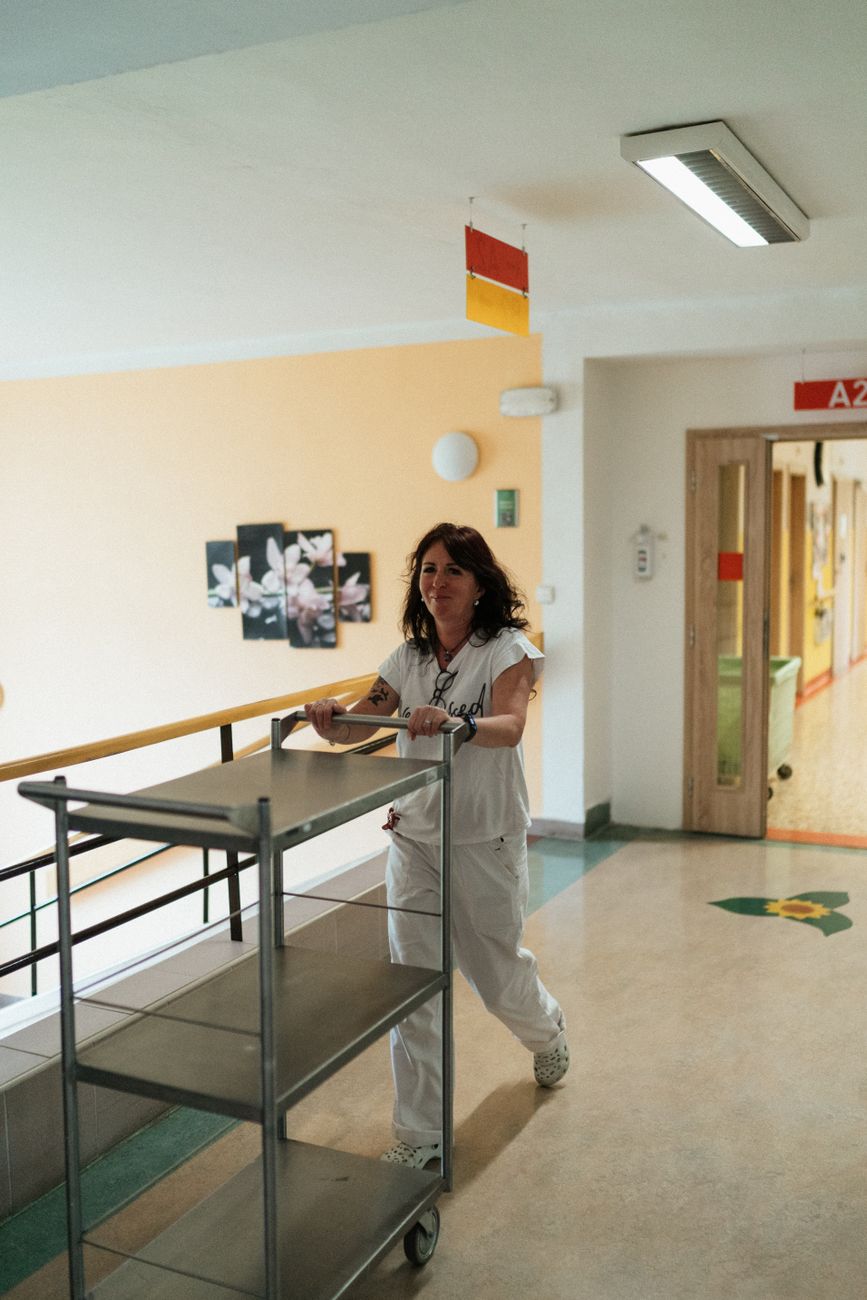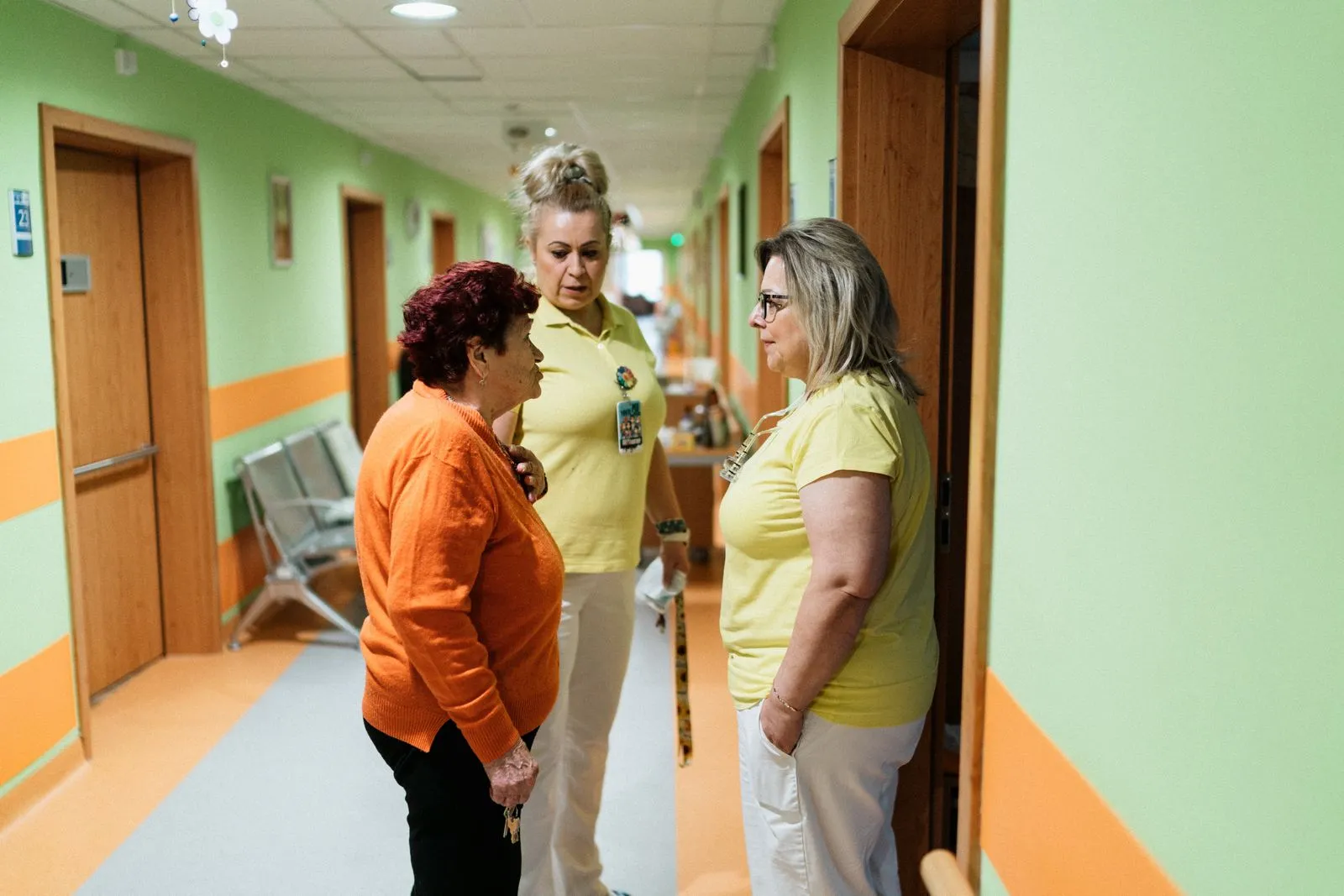
I was in a home care provider's office the other week when the council fee letter arrived, and the branch manager left it unopened on the desk. There was a rota to fill by Friday, and she had a fair idea what the letter would say.
The figures in letters like that have just been put under a microscope. On 19th October, Community Care reported the Homecare Association's latest analysis of what councils pay for home care, covering 176 contracts across 107 of England's 153 local authorities. Its headline figure is a funding gap of £2.3bn.
Strip it back to a single hour of care.
The average rate councils paid this year was £25.37, according to the Association. Its estimate of the statutory employment costs alone, before a penny of overhead or profit, comes to £26.17 an hour, and by the Association's count 61% of the contracts it analysed pay less than that.
How wide is the gap between what home care costs and what councils pay?
The Homecare Association puts its minimum price for an hour of home care at £34.42. It covers the lowest legal pay rate, travel time, mileage and on-costs, plus a profit margin it has trimmed from 7% to 4%. Against that, councils paid £25.37 on average this year, and the NHS fee rate last year was £23.87.
The squeeze isn't hard to explain. April brought a 4.1% rise in the National Living Wage, from £12.21 to £12.71 an hour, while council fees went up by 3.7% on average. A gap of 0.4 percentage points doesn't sound dramatic until you apply it to every hour of every visit, across every week of the year. It adds up fast.
Somebody has to make that difference disappear, and on paper it's the provider.
In reality it's the branch manager. Or the registered manager, or the area manager who covers three offices and keeps a laptop charger in the car.
Why does a funding gap end up on the manager's desk?
Because the manager controls the few levers that are left. Rota design decides how much dead time sits between visits, and the Association's method now counts that waiting time as paid. Sickness cover matters more too, with statutory sick pay payable from day one of absence. And retention, compliance and the quality of each visit all rest on the same person.
I've sat across the table from enough care operators to know how the budget conversation tends to go. Someone looks at the manager's salary, because it's a big line on the sheet, and suggests holding the vacancy open for a few months. Sensible on a spreadsheet.
Less sensible when you picture who is covering the rota in the meantime.
Which is why domiciliary care manager recruitment tends to slide down the list in a year like this one. The cost of leaving the seat empty never shows up as its own line. It turns up as missed visits, a deputy working evenings and a coordinator doing two jobs, and by the time it's visible it's already expensive.
What does a home care manager actually protect?
Margin, mostly, though nobody puts it that way on a job description. A good manager keeps calls clustered so carers aren't driving across a county between visits. They fill gaps from within before reaching for agency cover, and notice a pattern of late calls before a family does.
There's also the thing that's hardest to price, which is continuity.
In my experience a client who sees the same two or three faces rarely complains, and one who sees a different stranger every morning very often does. Complaints cost time, and time is exactly what a thin fee leaves no room for.
And then there's the inspector. A registered manager who knows the service inside out can walk a CQC assessor through the rota, the training matrix and the incident log without a flicker of panic. One who joined last month and is still finding the filing cabinet can't. Inspectors tend to notice the difference quickly.
What changes when fair pay agreements arrive?
The government has set aside £500m for councils towards the costs of the first fair pay agreement for care workers, a sum the Homecare Association and other bodies consider too low. Next year the new negotiating body is due to start work, with implementation pencilled in for a couple of years from now. Any rise agreed for care workers has to be funded by someone.
If council fees don't move to match, the pressure goes straight back to the same branch.
The Association's chief executive has said the government has about two years to fix commissioning, set a fair price and fund the pay rise, so that home care can recruit and keep its workforce. Fair enough. But two years is a long time to run a service on the wrong side of the arithmetic, and it's the people in the manager's chair who'll live through every month of it.
None of this makes the manager's job easier to fill.
Ask a candidate to run a branch on rates like these and then pay at the bottom of the band, and you're asking a lot of someone with plenty of choice. The people who can read a rate letter, rebuild a rota and keep an inspection calm get approached every month, so it's worth checking what the salary guides say before you set the number.
Should a provider promote from within or look outside?
Either can work, and the honest answer depends on the bench you have. A strong deputy or field supervisor who already knows the clients and carers is often the lowest-risk route. It only works if they get proper support in the first six months, and if somebody backfills their old job rather than dumping it on them as well.
Looking outside makes more sense when the branch needs something it doesn't currently have, such as experience of a growth plan, a clean-up after a poor inspection or a retender.
And where neither route is quick, a short interim placement can hold the service steady while the right appointment is made.
Nobody wants to hear that the answer to a funding gap is to hire well. It isn't the whole answer, and I wouldn't pretend it was. But a strong manager is the one part of the sum a provider can still influence this side of a fee negotiation.
So back to that unopened letter and the rota due on Friday. The number inside isn't the provider's to change this month, but the person reading it is.
If hiring for that seat is on your mind, have a look at how our health and social care recruitment team works with providers at management level.